Categories
Clean/Green Beauty

Clean Beauty for Beginners: How to Build a Simple, Affordable and Eco-Friendly Skincare Routine

Meta description: Learn how to start a clean beauty routine for beginners, read skincare labels, choose products thoughtfully, and build more sustainable beauty habits on a budget.

Clean beauty has become a popular topic for people who want to understand what goes into their skincare products and how their beauty habits affect the environment. But with so many products labelled natural, green, pure, and eco-friendly, getting started can feel confusing.

The good news? You do not need an expensive collection of products or a completely new bathroom cabinet to begin making thoughtful beauty choices.

A beginner-friendly clean beauty routine can start with a few practical steps: understanding your skin’s needs, reading ingredient lists, avoiding unnecessary purchases, and considering packaging and sourcing when choosing products.

In this guide, you will learn how to build a simple, affordable clean beauty routine, identify vague marketing claims, and make more informed skincare decisions.

What Is Clean Beauty?

Clean beauty is a broad term used by brands and consumers to describe beauty products that emphasize ingredient transparency, particular formulation preferences, or other values such as sustainability and ethical sourcing.

However, clean beauty does not have one universally accepted definition. Different brands and retailers may use different standards, so the word alone does not tell you whether a product is safe, effective, sustainable, or suitable for your skin.

Natural ingredients are not automatically safer than synthetic ingredients. A product’s suitability depends on its formula, concentration, intended use, quality, and how your skin responds.

Instead of relying only on a label, focus on information you can check: the full ingredient list, directions, manufacturer details, relevant certifications, and evidence supporting any special claims.

1. Start With a Simple Skincare Routine

One of the easiest ways to make your beauty routine more affordable and less wasteful is to avoid buying products you do not need.

A basic routine can be enough to establish consistent skincare habits.

Morning routine

Step 1: Cleanse gently. Use a gentle cleanser if your skin needs it. Depending on your skin and morning routine, rinsing with water may be sufficient.

Step 2: Moisturize. Choose a moisturizer that suits your skin type and feels comfortable to use consistently.

Step 3: Apply sunscreen. Use broad-spectrum sunscreen with SPF 30 or higher and follow the product directions. Reapply as directed, particularly when spending time outdoors.

Evening routine

Step 1: Remove makeup and sunscreen. Use a suitable makeup remover or cleanser to remove the day’s products.

Step 2: Cleanse. Clean your face gently without harsh scrubbing.

Step 3: Moisturize. Apply a moisturizer that supports your skin’s comfort and hydration.

You can add other products later if you have a specific skincare goal. Introduce new products gradually so that you can identify irritation or other unwanted reactions.

2. Learn to Read Skincare Ingredient Labels

A product’s front label may emphasize words such as botanical, pure, green, or clean. The ingredient list gives you more useful information about what the product actually contains.

When shopping, look for the complete ingredient list and check whether the product provides clear instructions and manufacturer information.

What should beginners look for?

  • Ingredients and their stated functions, where available.
  • Clear directions for use and appropriate warnings.
  • Fragrance information, particularly if you know your skin is sensitive to fragrance.
  • Relevant, verifiable certifications when a brand makes ethical or environmental claims.
  • Packaging and product information that help you understand how to use and dispose of the product.

Do not assume that a short ingredient list is automatically better, or that a long list is automatically worse. Preservatives, for example, can serve an important role in protecting water-containing cosmetic products from microbial contamination.

If you have a known allergy or sensitivity, check the full ingredient list and seek professional advice when needed.

3. Understand Clean Beauty vs Natural Beauty

The terms clean beauty and natural beauty are often used together, but they do not necessarily mean the same thing.

Natural beauty usually emphasizes ingredients or materials derived from nature. Clean beauty often emphasizes a brand’s chosen ingredient standards, transparency, or formulation philosophy.

Neither term by itself guarantees that a product is safer, more effective, or better for the environment.

A plant-derived ingredient can still cause irritation or an allergic reaction. A synthetic ingredient can have a useful, well-understood function in a cosmetic formula.

The practical takeaway is to evaluate the finished product and the evidence behind its claims rather than assuming that natural always means harmless.

4. Choose Affordable Clean Beauty Products

Building a thoughtful routine does not mean replacing everything you already own.

Start by using products you already tolerate and enjoy. When something runs out, consider what you actually need before purchasing a replacement.

Budget-friendly shopping tips

Buy for a specific purpose. A cleanser, moisturizer, and sunscreen may be all you need for a basic routine.

Compare the amount of product. A lower price does not always mean better value. Consider the quantity, directions, and how often you will use it.

Avoid buying every trending ingredient. More products can mean more spending, more packaging, and more opportunities for irritation.

Look for transparent product information. Choose brands that provide ingredient lists, contact information, and specific explanations of their claims.

Use products as directed. Do not use more than recommended in the hope of getting faster results.

5. Make Your Beauty Routine More Eco-Friendly

Green beauty also involves thinking about waste, packaging, and how products are made and used.

You do not need to pursue a zero-waste lifestyle to make practical changes. Small, realistic habits can help reduce unnecessary consumption.

Try these lower-waste beauty habits

  • Finish products before buying replacements when they remain suitable for use.
  • Choose product sizes you are likely to use before they expire.
  • Recycle packaging only when local facilities accept that material.
  • Consider refill systems when they are genuinely practical and hygienic.
  • Avoid buying products simply because their packaging looks sustainable.
  • Use reusable tools where appropriate and clean them according to their instructions.

Remember that packaging is only one part of a product’s environmental footprint. Ingredients, manufacturing, transport, product longevity, and disposal can also matter.

6. Learn to Spot Greenwashing

Greenwashing refers to marketing that creates a misleading impression about a product’s environmental benefits or sustainability.

Beauty packaging may use green colours, leaves, nature imagery, or broad claims such as eco-friendly and planet-safe. These design choices are not proof of environmental performance.

Questions to ask before buying

Is the claim specific? A statement such as “the bottle contains 50% recycled plastic” is more concrete than simply saying “green packaging,” provided the claim can be verified.

Is there evidence? Look for accessible details explaining what the brand means and how the claim is supported.

Does the claim apply to the whole product? A recyclable bottle does not automatically mean every part of the packaging is recyclable or that the entire product is sustainable.

Is a certification relevant? Check what a certification actually covers, who issues it, and whether it applies to the product or only one aspect of the company.

Does the marketing use fear? Claims that ordinary cosmetic ingredients are all toxic or that natural products are always harmless oversimplify ingredient safety.

Being a thoughtful beauty shopper means asking questions without assuming that every natural or conventional product is automatically good or bad.

7. Be Careful With DIY Natural Skincare

Homemade skincare can look appealing because it uses familiar ingredients, but kitchen ingredients are not automatically suitable for facial skin.

Lemon juice, abrasive scrubs, essential oils, and other concentrated or acidic ingredients may irritate skin. Homemade water-based mixtures can also become contaminated when they are not prepared and stored appropriately.

For a beginner, properly formulated products with clear directions are often easier to use consistently than experimental mixtures.

If you decide to try a new cosmetic product, follow its directions and patch-test as appropriate. Stop using it if you develop irritation or discomfort.

For persistent skin problems, consult a qualified healthcare professional rather than relying on homemade remedies.

8. Build a Sustainable Beauty Shopping Checklist

Before purchasing a new product, ask yourself:

  1. Do I actually need this product?
  2. Does it suit my skin and my routine?
  3. Can I check the complete ingredient list?
  4. Are the brand’s safety, ethical, or environmental claims specific and supported?
  5. Is the packaging practical for my needs and local disposal options?
  6. Can I afford to replace it when it runs out?

These questions help you make decisions based on your needs and values instead of packaging trends or pressure to buy more.

9. A Simple Seven-Day Clean Beauty Reset

You do not need to transform your routine overnight. Use this gentle seven-day plan to become more aware of your habits.

Day 1: Review the products you currently use.

Day 2: Check ingredient lists and directions on your everyday skincare products.

Day 3: Identify products you use regularly and those you rarely reach for.

Day 4: Organize your routine around the basics: cleansing, moisturizing, and sun protection.

Day 5: Review packaging and find out what your local recycling service accepts.

Day 6: Make a shopping list based on genuine needs rather than trends.

Day 7: Choose one realistic habit to continue, such as finishing suitable products before replacing them.

The purpose of this reset is to build awareness and consistency, not to throw away everything you own.

Conclusion

A clean beauty routine for beginners does not have to be expensive, complicated, or built around perfect packaging.

Start with a simple skincare routine, learn to read ingredient labels, choose products that suit your skin, and look for evidence behind environmental claims. Use what you already have when appropriate, avoid unnecessary purchases, and make sustainable changes that fit your lifestyle.

Clean and green beauty should be about informed choices rather than fear or perfection. A thoughtful routine is one you understand, can afford, and can maintain.

What is one clean beauty habit you want to try first? Share it in the comments and explore more beauty and wellness guides on our blog.
Categories
Clean/Green Beauty Uncategorized

How to Build a Zero-Waste Skincare Routine (Beginner’s Guide 2026)

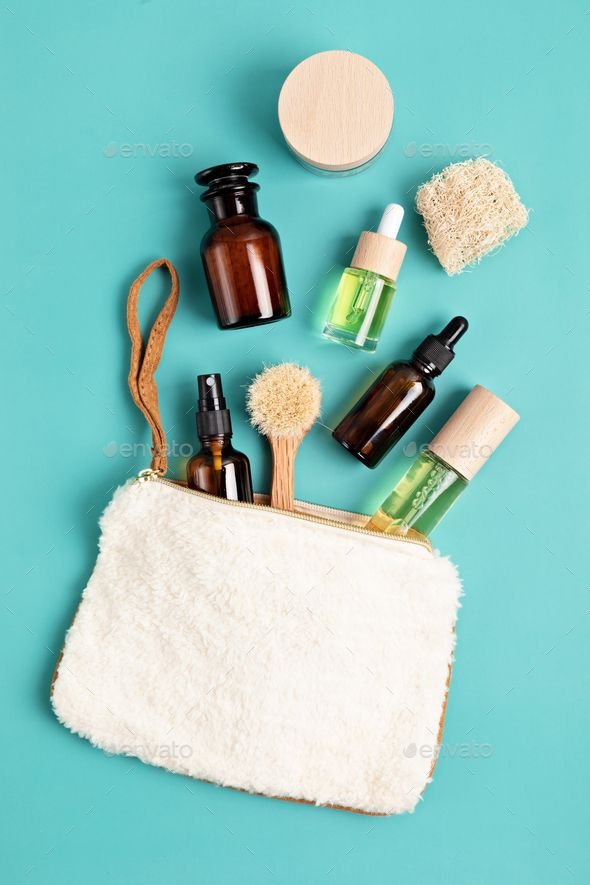
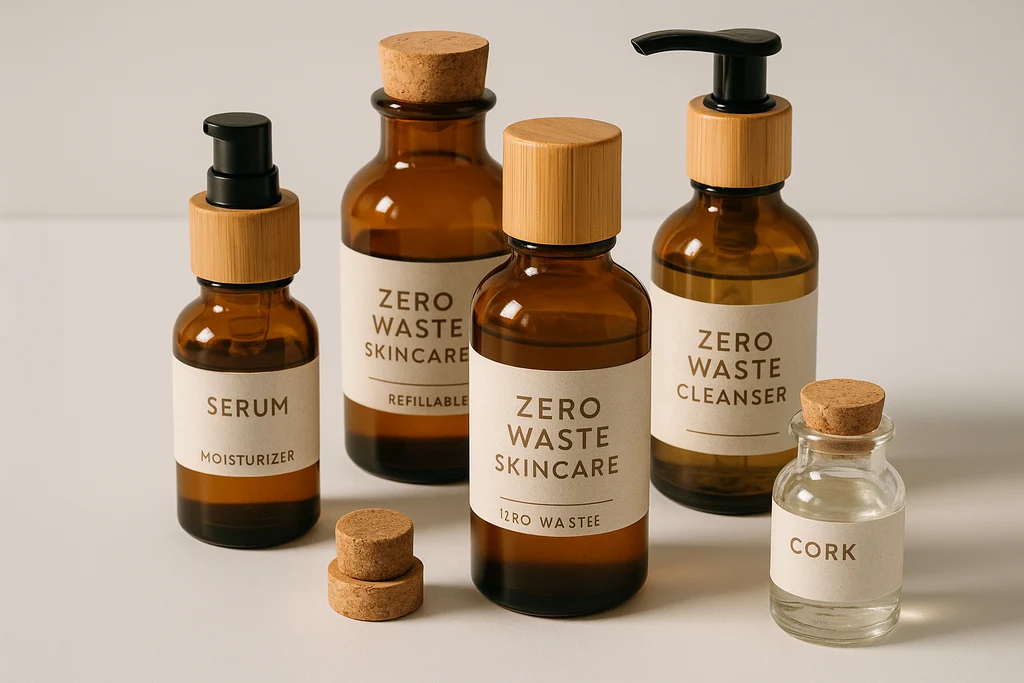
Refillable skincare packaging next to a solid cleansing bar and glass dropper bottle

If your bathroom shelf looks like a plastic recycling bin waiting to happen, you’re not alone. The average skincare routine — cleanser, toner, serum, moisturizer, sunscreen, exfoliant — can rack up six or seven plastic bottles before you’ve even started your makeup. A zero-waste skincare routine is about closing that gap: choosing products, packaging, and habits that send less to landfill without giving up results.

This guide walks through exactly how to do it, one step at a time, so you can build a routine that’s good for your skin and the planet.

What Does “Zero-Waste Skincare” Actually Mean?

Zero-waste skincare doesn’t require perfection — nobody’s routine produces literally zero trash. Instead, it follows a simple hierarchy borrowed from the broader zero-waste movement:

  1. Refuse what you don’t need (extra steps, single-use samples, impulse buys)
  2. Reduce how much packaging and product you use overall
  3. Reuse containers, tools, and applicators
  4. Recycle what’s left, and only as a last resort
  5. Rot (compost) anything that’s genuinely biodegradable

Applied to skincare, that means favoring eco-friendly skincare products with minimal, recyclable, or refillable packaging, choosing multi-use formulas over single-use ones, and being honest about what your skin actually needs.

Why It’s Worth the Switch

Beauty packaging is one of the most persistent sources of plastic waste — much of it too small, too mixed-material, or too contaminated with product residue to be recycled through standard municipal programs. Brands are responding: more companies are now offering refill pouches, glass and aluminum containers, and biodegradable formulas instead of the plastic-heavy packaging that’s dominated the industry for decades. Choosing sustainable skincare isn’t just a personal statement anymore — it’s becoming the mainstream default.

Step 1: Audit Your Current Routine

Before buying anything new, take stock of what you already own.

  • Lay out every product you currently use
  • Note which ones you actually finish versus which ones sit half-used for months
  • Separate “needs” (cleanser, moisturizer, SPF) from “wants” (that seventh serum)

Finishing what you already have — even if it’s not “sustainable” — is more zero-waste than tossing it and buying green replacements. The most eco-friendly product is the one already sitting in your bathroom.

Step 2: Simplify Before You Swap

A shorter routine is inherently lower-waste. Most skin genuinely needs only:

  • A gentle cleanser
  • A moisturizer suited to your skin type
  • Daily SPF
  • One targeted treatment (if needed) — a retinoid, vitamin C, or exfoliating acid

Cutting a ten-step routine down to four or five well-chosen products reduces both packaging waste and how often you’re repurchasing.

Step 3: Swap Toward Low-Waste Packaging

Once you know what you actually use, start replacing it — as products run out, not all at once — with lower-waste alternatives:

  • Solid bars (cleansing bars, shampoo bars, moisturizer bars) skip plastic bottles almost entirely
  • Refillable skincare systems let you buy product without buying a new container every time
  • Glass and aluminum packaging recycles far more reliably than mixed-plastic tubes and pumps
  • Concentrated or waterless formulas (powders, balms) use less packaging per use since they’re not diluted with water

Step 4: Replace Disposable Tools

Some of the biggest hidden waste in skincare isn’t the product — it’s the accessories:

  • Swap cotton pads and makeup wipes for reusable, washable rounds
  • Trade plastic exfoliating poufs for a konjac sponge, washcloth, or natural loofah
  • Choose a bamboo or metal facial roller/gua sha instead of plastic tools
  • Use a reusable makeup remover cloth instead of single-use wipes

Step 5: Look for Genuine Sustainability Signals

“Eco-friendly” is an unregulated marketing term, so look past the packaging claims:

  • Third-party certifications (Leaping Bunny for cruelty-free, USDA Organic, EWG Verified)
  • Clear ingredient sourcing information, not just vague “natural” claims
  • Actual biodegradable or compostable packaging — not just packaging that’s technically recyclable but rarely accepted locally
  • Brands that publish real sustainability data rather than one glossy campaign

Step 6: Close the Loop

  • Recycle mindfully — rinse containers before recycling, and check whether your municipality actually accepts the material (many “recyclable” beauty packagings aren’t accepted curbside)
  • Return refill programs many brands now run in-store or by mail
  • Repurpose empty containers for travel-size decanting or storage
  • Compost genuinely compostable packaging inserts, like some cardboard or bamboo components

A Sample Zero-Waste Skincare Routine

StepLow-Waste Swap
CleanseSolid cleansing bar or oil cleanser in a glass bottle
Exfoliate (2–3x/week)Konjac sponge or biodegradable exfoliating bar
TreatConcentrated serum in a refillable glass dropper bottle
MoisturizeMoisturizer bar or cream in an aluminum jar
ProtectMineral SPF in a recyclable or refillable tube
Remove makeupReusable cotton rounds + oil cleanser

Common Mistakes to Avoid

  • Buying a whole new “sustainable” routine at once — this creates waste from the products you’re replacing. Transition gradually.
  • Assuming all plastic-free means zero-waste — glass and metal have their own environmental footprint from mining and manufacturing; reuse matters more than material alone.
  • Ignoring shipping packaging — a beautifully sustainable product shipped in excess plastic mailers undercuts the effort.
  • Chasing trends over needs — the most sustainable product is one you’ll actually use up.

FAQ: Zero-Waste Skincare

Is zero-waste skincare more expensive? Not necessarily. Solid bars and concentrated formulas often last longer per dollar than diluted liquid products, and refill systems are typically cheaper than buying new containers each time.

Can zero-waste skincare work for sensitive or acne-prone skin? Yes — sustainability and formulation are separate issues. Look for the same active ingredients and gentle, fragrance-free formulas you’d normally choose; just check the packaging and sourcing separately.

What’s the easiest first swap to make? Reusable cotton rounds and a solid cleansing bar are usually the simplest, lowest-commitment starting points.

Do refill pouches actually reduce waste? Yes — refill pouches use significantly less plastic by weight than a full rigid container, even though they’re not always curbside recyclable themselves.

The Bottom Line

A zero-waste skincare routine isn’t about buying a completely new, perfectly sustainable shelf overnight. It’s a gradual shift — using up what you have, simplifying your steps, and choosing better packaging as you naturally repurchase. Small, consistent swaps compound into a routine that’s genuinely lower-impact, without sacrificing the results you’re used to.

Categories
Clean/Green Beauty

Budget Beauty Dupes That Actually Work: Honest Picks Under $15

Budget Beauty Dupes That Actually Work: Honest Picks U

Walk into any beauty aisle and you’ll notice something interesting: some of the most talked-about “holy grail” products aren’t luxury brands at all. They’re drugstore staples that quietly outperform their pricier counterparts. This roundup focuses on categories where budget options consistently earn a reputation for real results — not hype.

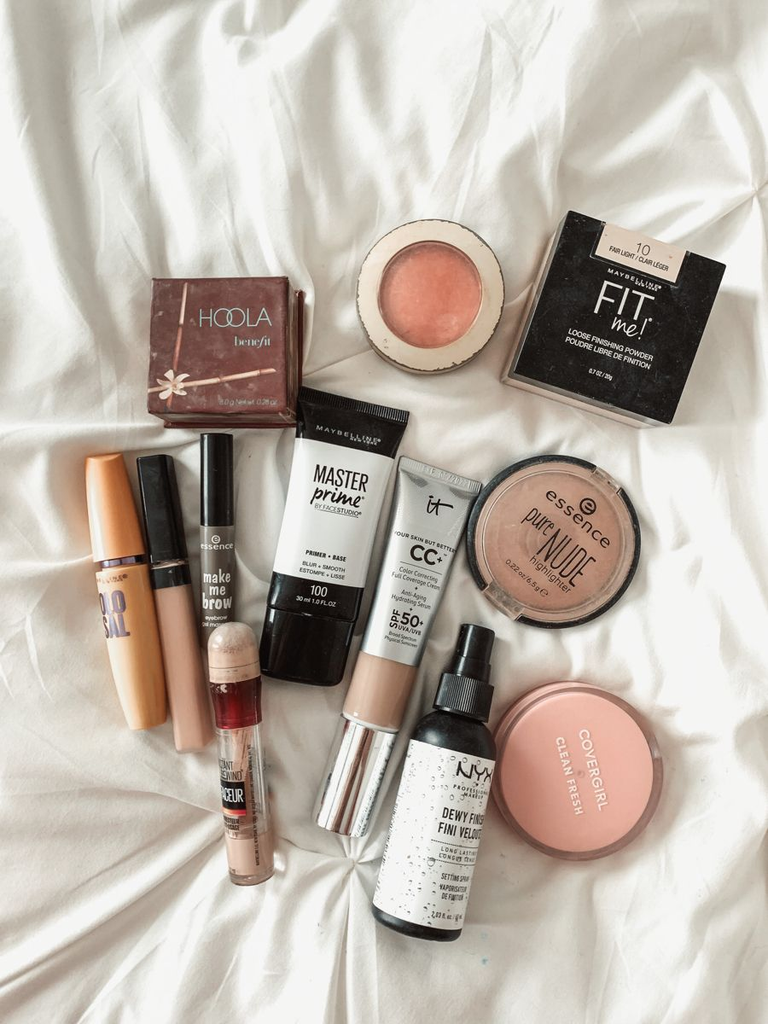
"Flatlay of affordable drugstore makeup products including foundation, concealer, and lip color, arranged on a neutral background — budget beauty essentials"

How to Actually Judge a Budget Beauty Product

Before diving into picks, here’s what separates a good budget dupe from a waste of money:

  • Ingredient overlap: Does it contain similar active ingredients to the luxury version (like niacinamide, hyaluronic acid, or dimethicone)?
  • Texture and finish: Does it apply and wear similarly, or does it feel noticeably cheaper?
  • Longevity: Does it hold up through a full day, or does it break down quickly?
  • Reviews across multiple sources: One glowing review means nothing. Look for consistent feedback across different skin tones, types, and climates.

Budget Beauty Categories Worth Exploring

Face Primer & Setting Products

Drugstore primers have come a long way. Many budget-friendly formulas now offer blurring and mattifying effects comparable to prestige brands, often using similar silicone-based bases.

Foundation & Concealer

This is one of the strongest categories for budget dupes. Several drugstore foundation lines are frequently compared to high-end counterparts for shade range and wear time, especially those built on similar buildable, medium-coverage formulas.

Setting Spray

A good setting spray doesn’t need to be expensive — most work through a simple combination of water, a light polymer, and sometimes a touch of glycerin. The formulas across price points are often nearly identical.

Skincare-Infused Makeup

Many budget brands now blend skincare ingredients like niacinamide or hyaluronic acid directly into foundations and tinted moisturizers — a trend that started in prestige beauty and has become widely accessible.

Brushes & Tools

Application tools are one of the easiest places to save money. A well-made synthetic brush from an affordable line can apply product just as smoothly as a $40 brush, since the difference often comes down to bristle density rather than brand name.

Red Flags to Watch For in Budget Products

Not every cheap product is a hidden gem. Watch out for:

  • Extremely short shelf life or fast separation — a sign of unstable formulation
  • Strong artificial fragrance — often used to mask lower-quality ingredients
  • Vague ingredient lists — transparency matters, regardless of price
  • Too-good-to-be-true claims — “instant wrinkle removal” is a red flag at any price point

How to Build a Budget Beauty Bag

Rather than buying one of everything, focus on a few high-impact categories first:

  1. Concealer — covers the most visible concerns (dark circles, blemishes)
  2. Setting spray or powder — extends wear time on everything else
  3. A neutral eyeshadow palette — versatile for everyday looks
  4. A tinted lip product — doubles as blush in a pinch

Starting with these four items alone can build a complete, functional makeup bag for well under $50.

Final Thoughts

The idea that good beauty products require a big price tag is outdated. Formulation technology has become far more accessible, and many affordable brands now compete directly with luxury lines — sometimes using nearly identical core ingredients. The real skill isn’t in spending more; it’s in knowing what to look for on the label and being willing to test before you commit to full-size purchases.