
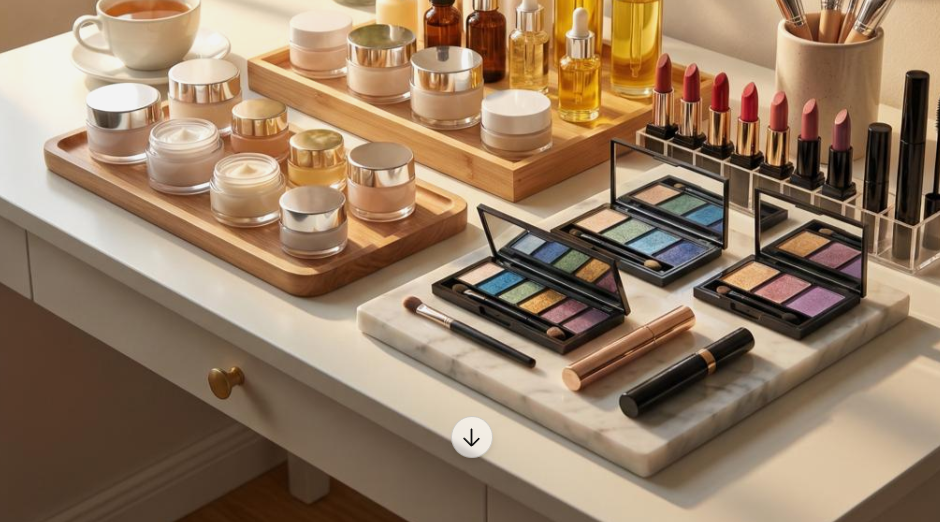
Looking after your beauty does not have to mean spending a fortune on expensive skincare products, luxury makeup, or frequent salon appointments. You can create a simple and enjoyable beauty routine while keeping your spending under control.
If you love skincare, makeup, and haircare but want to save money, you are in the right place. With a little planning, smart shopping, and a few consistent habits, you can make your beauty routine more affordable without buying every new product that appears on social media.
In this guide, we will explore 15 affordable beauty tips, beginner-friendly skincare and makeup routines, budget-conscious haircare ideas, and simple ways to avoid wasting money on products you do not need.
Whether you are a student, a beginner, or simply trying to spend less, these beauty tips can help you build a routine that fits your lifestyle and budget.
What does beauty on a budget mean?

Beauty on a budget means taking care of your appearance and personal grooming while making thoughtful choices about how much you spend.
It is not about buying the cheapest possible product or avoiding every beauty purchase. It is about understanding what you actually need, choosing products that suit you, and avoiding unnecessary expenses.
A budget-friendly beauty routine can include:
- A simple skincare routine with a few suitable essentials.
- Affordable makeup products that you enjoy using.
- Basic haircare habits that fit your hair type.
- At-home grooming when appropriate.
- Careful shopping and avoiding impulse purchases.
The idea is simple: spend intentionally, use what you buy, and create habits that you can maintain.
15 affordable beauty tips to save money

1. Keep your skincare routine simple
You do not need a shelf full of products to begin caring for your skin. Start with a gentle cleanser, a suitable moisturizer, and broad-spectrum sunscreen for daytime use.
Add other products only when you have a specific need and understand how to use them. A simple routine can help reduce unnecessary spending and make daily skincare easier to maintain.
Money-saving tip: Finish products you already own before buying replacements, provided they are safe to use and have not expired.

2. Build a small makeup collection
Instead of buying every trending makeup product, focus on versatile essentials that fit your routine.
A basic collection might include a base product, concealer if needed, blush, mascara, and a lip colour you enjoy. You can expand your collection gradually as you discover what works for you.
Money-saving tip: Choose products you can use regularly rather than buying something just because it is popular online.

3. Make the most of your existing products
Before purchasing another serum, moisturizer, or lipstick, check what you already have.
Organize your products by category and keep track of their opening dates and expiry information. Use products according to their instructions, and do not continue using anything that has changed noticeably or causes irritation.
Money-saving tip: A quick inventory can help prevent duplicate purchases.

4. Follow a haircare routine that suits your hair
You do not necessarily need several hair masks, oils, and styling products. Start with a shampoo and conditioner that suit your scalp and hair.
Handle wet hair gently, detangle carefully, and limit unnecessary heat styling if it contributes to dryness or breakage.
Money-saving tip: Learn which products you use consistently before investing in additional treatments.

5. Set a monthly beauty budget
Decide how much you can comfortably spend on beauty each month. Divide your budget into categories such as skincare, makeup, haircare, and grooming.
Keep essential replacements separate from optional purchases. If you have already reached your budget, consider postponing nonessential shopping until the next month.
Money-saving tip: A written budget can make impulse purchases easier to recognize.

6. Compare prices before buying
Check the price of a product across reputable retailers before making a purchase. Look at the quantity, ingredients, delivery fees, and return policy rather than comparing the headline price alone.
Money-saving tip: Calculate the price per gram or millilitre when comparing different sizes, but only buy a larger size if you are likely to use it before expiry.

7. Avoid impulse buying
Beauty trends can make it tempting to buy products immediately. Before checking out, ask yourself whether the product meets a real need, suits your preferences, and fits your budget.
Consider waiting a day or two before buying nonessential items.
Money-saving tip: Keep a wishlist and review it before shopping instead of buying everything at once.

8. Take care of your makeup tools
Clean reusable makeup brushes and sponges regularly according to their material and care instructions. Let them dry thoroughly before storing them.
Taking care of your tools can help you get more use out of them and maintain good hygiene.
Money-saving tip: Replace tools when they become damaged or cannot be cleaned properly, rather than replacing them just for a new style.

9. Learn a simple everyday makeup look
Practising one easy makeup routine can help you use your products more confidently.
Try a lightweight base, a little blush, groomed eyebrows, mascara, and a comfortable lip product. Adjust the routine to suit your preferences and the occasion.
Money-saving tip: Practise with the products you already own before buying more shades or formulas.

10. Try simple hairstyles at home
Learn a few easy hairstyles such as a low bun, ponytail, braid, or half-up style. These options can help you change your look without needing a new styling product for every occasion.
Money-saving tip: Use accessories you already own and avoid hairstyles that pull uncomfortably on your hair.

11. Organize your beauty products
Keep your products in one organized place. Separate everyday essentials from occasional-use items, and check expiry dates and product instructions.
An organized collection makes it easier to see what you own and find products before purchasing replacements.
Money-saving tip: Create a small “use next” section for products that should be finished soon, following their storage and expiry guidance.

12. Make sun protection part of your routine
Include broad-spectrum sunscreen in your daytime skincare routine. Choose a product that suits your skin and that you can apply as directed.
Protective clothing, shade, and other sun-safe habits can also be useful parts of your routine.
Money-saving tip: Choose sunscreen based on suitable protection, comfort, and your ability to use it consistently—not packaging alone.

13. Keep at-home grooming simple and safe
Some basic grooming tasks, such as brushing your hair, filing a nail carefully, or applying moisturizer, can be done at home with suitable tools.
Avoid risky procedures, harsh DIY treatments, or attempting professional treatments without the necessary training.
Money-saving tip: Do simple tasks yourself when appropriate, but seek professional help when safety or skill is important.

14. Read labels and understand what you are buying
Check the ingredient list, directions, quantity, expiry information, and suitability for your needs.
Be cautious about exaggerated claims, particularly promises of instant or guaranteed results. If you have sensitive skin, introduce new products carefully.
Money-saving tip: Choose products for their purpose and suitability instead of paying extra for claims you cannot verify.

15. Build sustainable self-care habits
Beauty can also include everyday habits such as getting adequate sleep, maintaining personal hygiene, eating a varied diet, and making time to relax.
These habits do not require buying a new beauty product. Focus on routines that support your general well-being rather than chasing unrealistic appearance standards.
Money-saving tip: Make time for simple habits you can maintain instead of feeling pressured to purchase every wellness trend.
3. A simple budget-friendly beauty routine
You can organize your beauty routine around a few everyday steps instead of creating a complicated schedule.

Morning routine
- Cleanse gently, or rinse with water if that suits your skin.
- Apply a suitable moisturizer.
- Apply broad-spectrum sunscreen according to its directions.
- If desired, add a simple makeup look using products you already own.
Evening routine
- Remove makeup and sunscreen gently.
- Cleanse your face using a suitable cleanser.
- Apply moisturizer.
- Use any additional treatment only if it is appropriate for your skin and routine.
This is a general routine, not a personalized treatment plan. Adjust it to your skin’s needs and the instructions for your products.
4. How to plan a beauty budget in India
A budget works best when it reflects your own spending limit. Instead of assuming everyone needs the same products or amount of money, begin with what you can comfortably afford.
Create your own monthly beauty budget
Enter your planned spending in rupees. This calculator helps you organize a budget; it does not estimate product prices.Monthly spending limit (₹)Skincare (₹)Makeup (₹)Haircare (₹)Other grooming and self-care (₹)
Planned spending
₹1,000
Monthly limit
₹1,000
Remaining budget
₹0
You are within your planned limit. Keep some flexibility for essential replacements or unexpected needs. Copy my budget
5. Smart beauty shopping tips

Before purchasing a beauty product, use this quick checklist:
- Check whether you already own something that serves the same purpose.
- Compare the total cost, including delivery charges.
- Read the product description and ingredient list.
- Check the seller’s authenticity, return policy, and expiry information.
- Consider trying a smaller size first when available and appropriate.
- Avoid buying more than you can reasonably use.
- Be cautious about products making unrealistic promises.
- Keep essential products within your budget before spending on optional extras.
A discount is only useful if the product is something you actually need and can safely use.
6. Common budget beauty mistakes to avoid
Trying to save money should not mean compromising on basic product safety or buying things that do not suit you.
| Mistake | A more practical approach |
|---|---|
| Buying every trending product | Choose products based on your needs and preferences. |
| Purchasing too many products at once | Introduce products gradually and assess whether you need them. |
| Choosing a product only because it is cheap | Consider suitability, ingredients, quality, and instructions. |
| Ignoring expiry dates | Check packaging and discard products that are expired or contaminated. |
| Using harsh DIY treatments | Avoid potentially irritating ingredients and unverified beauty hacks. |
| Buying large sizes without trying them | Consider smaller sizes first if available. |
| Skipping sunscreen to save money | Include suitable sun protection in your daytime routine. |
| Expecting instant transformations | Set realistic expectations and avoid products promising guaranteed results. |
7. Affordable beauty habits you can practise at home

You can make your daily routine feel special without turning every activity into a shopping trip.
Here are a few simple ideas:
- Set aside a few minutes to brush and style your hair.
- Keep your nails clean and file them gently when needed.
- Use a moisturizer that already suits your skin.
- Practise a simple hairstyle or makeup technique using your existing products.
- Organize your beauty space so everyday essentials are easy to find.
- Take time to relax, get adequate sleep, and maintain regular personal hygiene.
Avoid harsh homemade face masks, lemon juice on the skin, abrasive scrubs, or other unverified treatments. Natural ingredients are not automatically safe for every skin type.
8. Frequently asked questions about beauty on a budget
1. How can I look beautiful on a low budget?
Focus on personal grooming, a simple skincare routine, suitable haircare, and a few makeup products you enjoy using. You can also save money by planning purchases, using products responsibly, and avoiding unnecessary beauty trends.
2. What are the most affordable beauty tips for beginners?
Start with basic skincare, learn a simple everyday makeup look, take care of your hair, keep your beauty tools clean, and set a monthly spending limit. Add products gradually instead of buying a complete collection immediately.
3. Can I have a good skincare routine on a budget?
Yes. A beginner routine can start with a suitable cleanser, moisturizer, and daytime sunscreen. Additional products may be useful for specific needs, but they are not automatically necessary for everyone.
4. How do I save money on makeup?
Choose versatile products, compare prices, use what you already own, and avoid purchasing products just because they are trending. Check expiry dates and store cosmetics according to their instructions.
5. Is expensive skincare always better than affordable skincare?
Price alone does not tell you whether a product is suitable for your skin. Compare the formulation, ingredients, intended use, product quality, and how your skin responds rather than assuming a higher price guarantees better results.
6. How can students create a budget beauty routine?
Students can begin with a small collection of everyday essentials and set aside an amount they can comfortably afford. Prioritize products they genuinely use and postpone optional purchases when money is tight.
7. What should I buy first for a budget beauty routine?
Begin with products that meet your everyday needs, such as a suitable cleanser, moisturizer, sunscreen, and basic grooming essentials. Makeup can be added according to your preferences and available budget.
8. How can I make my beauty products last longer?
Follow the recommended amount and directions, store products as instructed, close packaging properly, and use clean tools. Do not dilute cosmetics or continue using expired products just to make them last longer.
9. Final thoughts: beauty does not have to be expensive
Beauty on a budget is about making choices that work for your needs, lifestyle, and finances. You do not need every new product or a complicated routine to enjoy skincare, makeup, haircare, and personal grooming.
Start small, learn what suits you, and spend thoughtfully. A few well-chosen products and simple habits can help you create a beauty routine that feels manageable and enjoyable.
Most importantly, do not feel pressured to spend money to meet unrealistic beauty standards. Your routine should be something you choose for yourself, not something that creates financial stress.