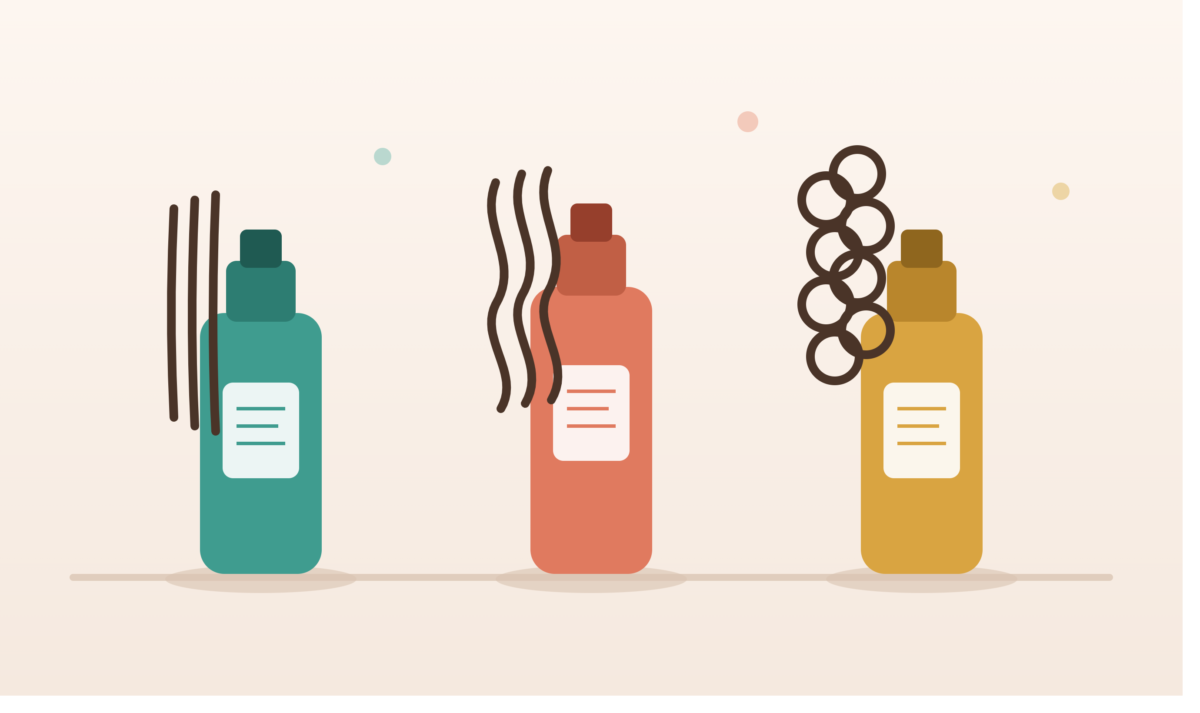
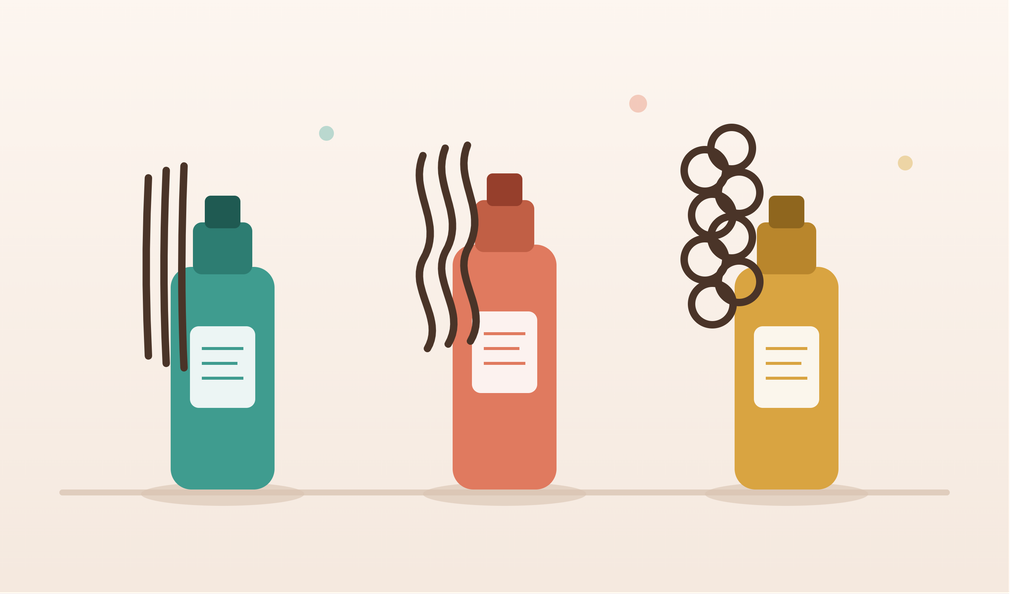
Ever bought a shampoo because the bottle looked nice, or because a friend swore by it, only to end up with limp, greasy hair by day two? You’re not alone. Most of us have a shelf full of half-used bottles that promised salon-perfect hair and delivered… nothing much.
Here’s the thing nobody tells you at the store: there’s no such thing as “the best shampoo.” There’s only the best shampoo for your hair. What works wonders for your friend’s thick, curly hair could leave yours looking flat, dry, or worse — it could even make hair fall and dandruff more stubborn than before.
So let’s fix that. In this guide, I’ll walk you through how to actually figure out your hair type, which ingredients to look for (and which to run from), and how to finally pick a shampoo that works with your hair instead of against it.
Why Your Hair Type Matters More Than the Brand
Here’s something a lot of people don’t realize: shampoo isn’t one-size-fits-all because hair itself isn’t one-size-fits-all. Every strand type reacts differently to cleansing agents, oils, and proteins.
Think about it this way — a shampoo built for fine, oily hair is designed to strip away excess oil fast. Put that same shampoo on curly hair, which is naturally drier, and you’ll end up with frizz and brittleness. Flip it around, and a rich, moisturizing shampoo made for dry hair will feel like a grease bomb on an oily scalp within a day.
So before you even think about brands or price tags, the real starting point is understanding your own hair and scalp.
Step 1: Figure Out Your Hair Type First
This sounds obvious, but most people skip it and just buy whatever’s trending. Take a minute to actually think about which of these sounds like you:
- Oily hair — your scalp feels greasy by the second day (sometimes even the first), and your hair looks flat no matter how much you style it
- Dry hair — it feels rough or straw-like, maybe your scalp feels tight after washing
- Normal hair — you’re one of the lucky ones; oil production is balanced and hair behaves most days
- Curly or textured hair — naturally prone to dryness and frizz, since your hair’s natural oils have a harder time traveling down those curls. A shampoo for curly hair without sulfates usually works best here
- Color-treated hair — needs a gentler touch. Look specifically for the best shampoo for color-treated hair so you’re not fading your color down the drain
- Fine or thin hair — heavy formulas will weigh it down; you want a lightweight shampoo for fine and thin hair that adds volume without the buildup
- Dandruff-prone or sensitive scalp — this calls for a shampoo for sensitive scalp or a shampoo for dandruff and oily scalp with proper anti-fungal ingredients, not just a “gentle” label
And here’s a detail that trips a lot of people up: you can be a mix. Oily roots with dry, damaged ends is extremely common, especially if you color or heat-style your hair. If that’s you, treat your scalp and your lengths separately — shampoo for the roots, richer treatments for the ends.
Step 2: Match Ingredients to Your Hair Type
Once you know your type, this part gets a lot easier. Here’s a quick cheat sheet:
| Hair Type | Look For | Avoid |
|---|---|---|
| Oily hair | Clarifying agents, tea tree oil, salicylic acid | Heavy oils, silicones |
| Dry/frizzy hair | Glycerin, shea butter, hyaluronic acid, argan oil | Sulfates, alcohol-based formulas |
| Curly hair | Sulfate-free, moisturizing, co-wash formulas | Harsh sulfates, drying alcohols |
| Color-treated hair | Sulfate-free, UV protectants, color-lock formulas | Sulfates, clarifying shampoos (use sparingly) |
| Fine/thin hair | Lightweight volumizing formulas, biotin | Heavy creams, thick conditioning shampoos |
| Dandruff-prone | Zinc pyrithione, ketoconazole, selenium sulfide | Overly moisturizing formulas that trap flakes |
Keep this table handy next time you’re standing in the shampoo aisle, squinting at ingredient lists.
Step 3: Learn to Actually Read the Label
Shampoo bottles love to throw around buzzwords. Here’s what they actually mean:
- Sulfate-free — one of the real sulfate-free shampoo benefits is that it cleanses gently without stripping your natural oils, which is why it’s such a good fit for dry, curly, or color-treated hair
- Paraben-free — simply means it skips certain preservatives some people prefer to avoid
- pH-balanced — helps your scalp stay healthy and can noticeably cut down on frizz
- Medicated or anti-dandruff — has active ingredients that treat flaking and itchiness, but don’t use it every single day; alternate with a regular shampoo two to three times a week
- Anti-hair-fall formulas — if thinning or shedding is a concern, look for a shampoo for hair fall control with biotin, caffeine, or keratin in the ingredient list
A Few Ingredients Worth Avoiding
You don’t need to panic and avoid every sulfate or silicone on the market — plenty of people use them without issue. But if your hair is already dry, color-treated, or damaged, harsh sulfates (SLS/SLES) and high alcohol content will only make things worse. Heavy silicones can also build up over time, especially on fine hair, leaving it looking dull and weighed down. When in doubt, flip the bottle over and actually read the ingredients — not just the marketing on the front.
Step 4: How Often Should You Actually Wash Your Hair?
This is one of the most common questions I hear, and honestly, the answer depends entirely on your hair type:
- Oily hair — every day or every other day
- Normal hair — 2 to 3 times a week
- Dry or curly hair — 1 to 2 times a week, with co-washing in between if needed
- Color-treated hair — twice a week, and always with cool water to help lock in color
Wash too often and you strip your natural oils, which can actually push your scalp to produce even more oil to compensate. Wash too little and you’re looking at buildup and scalp irritation instead. If you’ve got curly hair and you’re torn on co-wash vs shampoo, co-washing — cleansing with conditioner only — on the days you skip shampoo can help your curls hold onto moisture.
Mistakes People Make All the Time
- Choosing a shampoo because it smells nice or the bottle looks pretty — instead of checking the ingredients
- Using anti-dandruff shampoo every day — it’s meant to be alternated, not used constantly, or it’ll dry out your scalp
- Skipping conditioner because your hair is oily — even oily hair needs conditioner, just keep it on the lengths and away from the roots
- Not rinsing properly — leftover shampoo residue is a sneaky cause of dull, buildup-heavy hair
- Switching shampoos every few weeks out of impatience — give a new formula at least 2 to 3 weeks before deciding it’s not working
Final Thoughts
Picking the right shampoo really isn’t about chasing trends or buying whatever’s going viral this month. It comes down to knowing your hair, understanding your scalp, and actually reading what’s in the bottle instead of trusting what’s printed on the front. Start with identifying your hair type, match it against the ingredients that work for you, and give it time. Small, consistent choices in your hair care routine tend to beat switching products every other month.
Frequently Asked Questions
Can I use the same shampoo for an oily scalp and dry ends? Yes, and it’s actually pretty common. Focus the shampoo on your scalp where the oil builds up, then use a hydrating conditioner or hair mask on your lengths and ends where the dryness is.
Is sulfate-free shampoo something everyone needs? Not necessarily. But if your hair is color-treated, curly, or already dry and damaged, it’s worth the switch — sulfates tend to strip moisture and fade color faster than you’d like.
How long before I actually see results from a new shampoo? Give it at least 3 to 4 weeks. Your hair growth cycle and scalp need time to adjust, so don’t judge a shampoo after just a couple of washes.
What’s the best shampoo for a sensitive scalp? Stick to fragrance-free, sulfate-free formulas with calming ingredients like aloe vera or oat extract. Skip anything loaded with dyes or strong essential oils.
Can a bad shampoo actually cause hair fall? Not directly, but a harsh or mismatched one can weaken your strands and irritate your scalp, which makes existing shedding look and feel worse. If hair fall is already a concern, a shampoo for hair fall control with biotin or caffeine can genuinely help support scalp health.
Which shampoo ingredients should I avoid completely? Honestly, not every sulfate or silicone deserves the bad reputation they get. But if your hair is dry, colored, or damaged, steer clear of high-sulfate and high-alcohol formulas — they’re the ones most likely to strip moisture you can’t afford to lose.