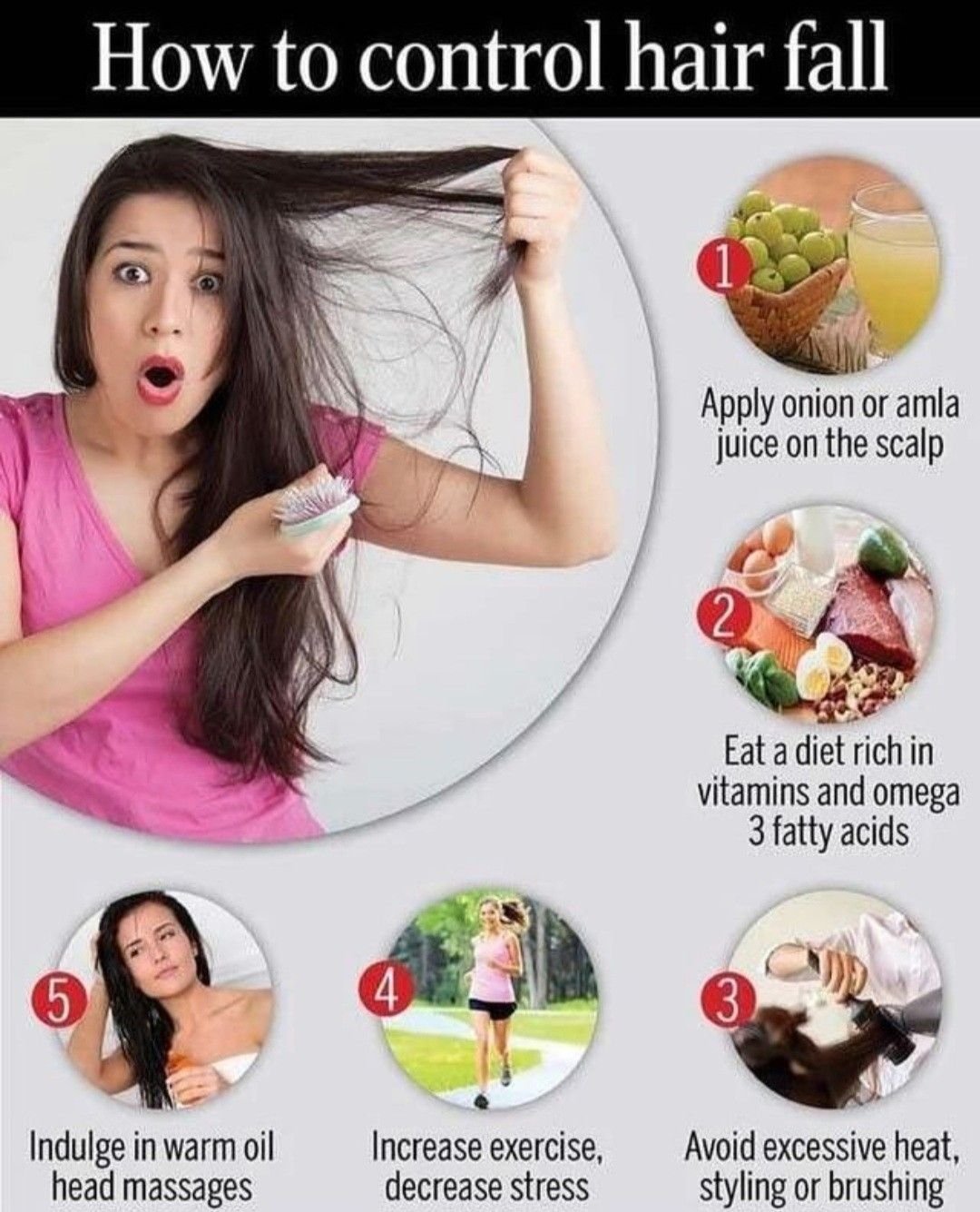
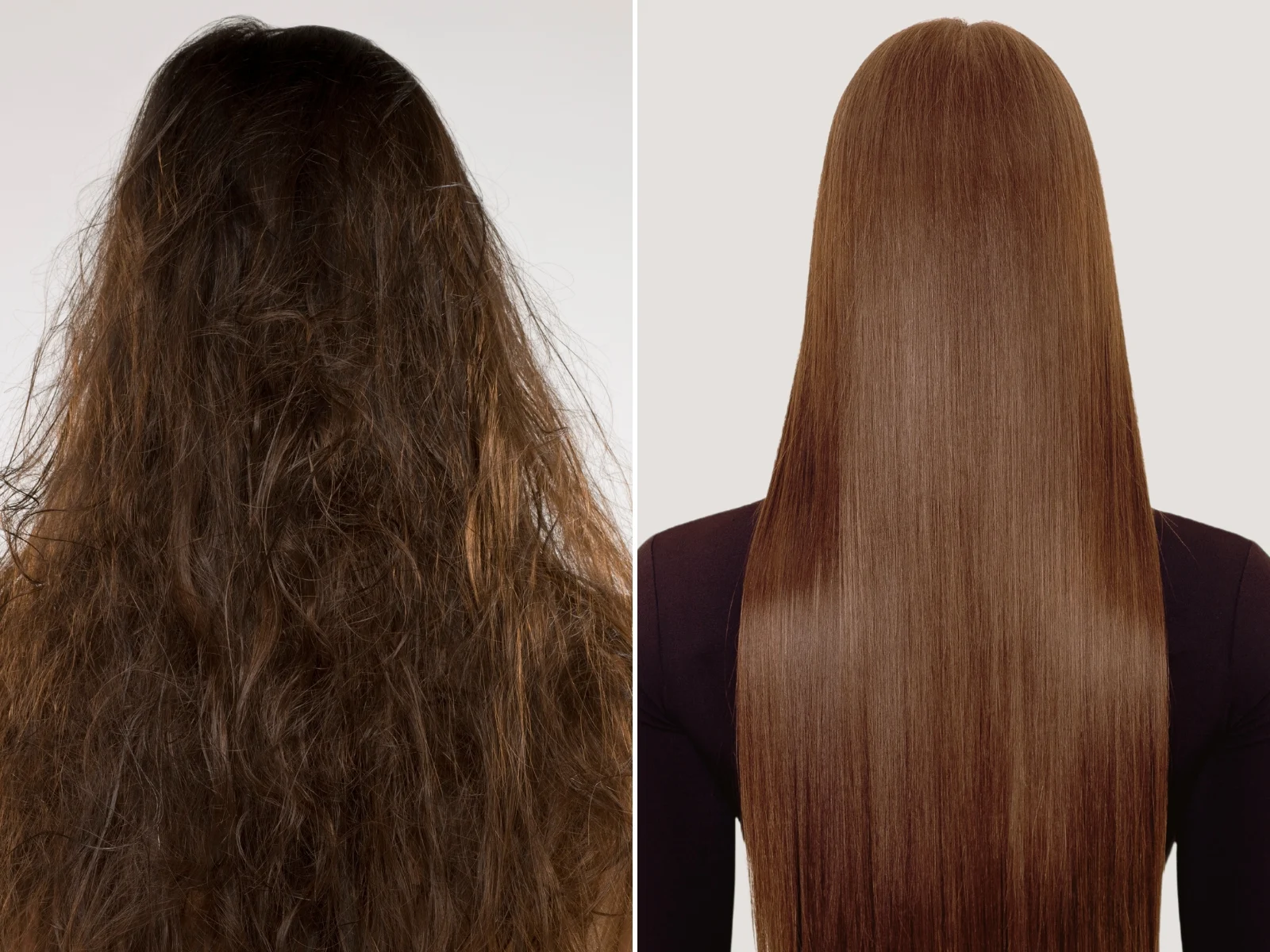
Losing 50 to 100 strands a day is normal, but if your brush, shower drain or pillow is filling up faster than usual, you can usually reduce hair fall by fixing a few everyday habits: gentler washing, better nutrition, less heat and tension, and a healthy scalp. Here is a clear, practical plan.
What Causes Hair Fall?
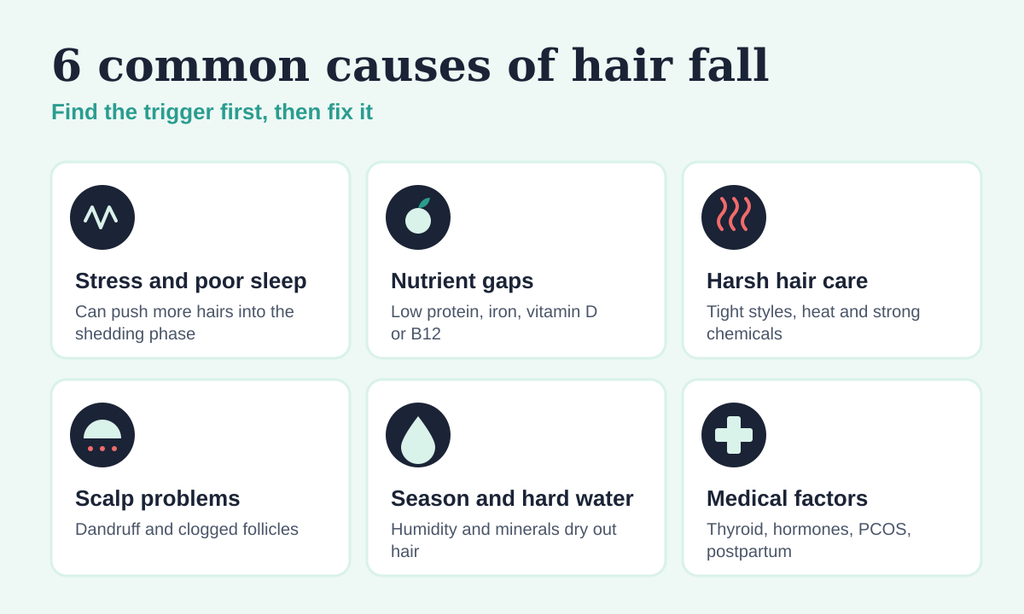
Understanding the cause makes the fix easier. Common triggers include:
Stress and lack of sleep: these can push more hairs into the shedding phase.
Nutrient gaps: low protein, iron, vitamin D or B12 intake is linked with thinner hair.
Harsh hair care: tight hairstyles, frequent heat styling and strong chemical treatments.
Scalp problems: dandruff and clogged follicles from sweat, oil and pollution.
Seasonal change and hard water: monsoon humidity and hard water can leave hair dry and brittle.
Medical factors: thyroid issues, hormonal changes, PCOS, postpartum changes or certain medicines.
12 Tips to Reduce Hair Fall
1. Wash on a schedule that suits your scalp. Oily scalps do well with washing 2 to 3 times a week; dry scalps can stretch to once or twice. A clean scalp supports healthy growth.
2. Use a mild shampoo. Choose a gentle formula and massage the scalp, not the lengths, for a full minute.
3. Always condition the lengths. Conditioner reduces friction and breakage when you comb.
4. Comb gently. Detangle from the tips upward with a wide-tooth comb, and never brush aggressively when hair is soaking wet.
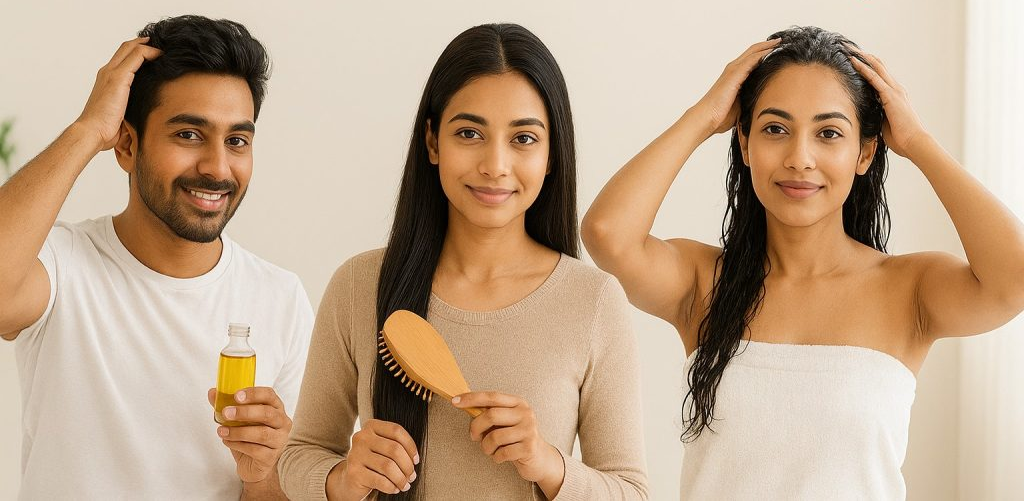
5. Oil your scalp the smart way. Warm coconut, castor or amla-infused oil massaged for 5 to 10 minutes improves comfort and reduces breakage. Leave it on for 1 to 2 hours, then wash. Do not leave heavy oil on overnight if you are prone to dandruff.
6. Eat for your hair. Include eggs, dal, paneer, sprouts, nuts, seeds, leafy greens and citrus fruit. Hair is mostly protein, so low protein diets show up quickly.
7. Manage stress. Walking, yoga, breathing exercises and 7 to 8 hours of sleep all help the hair cycle recover.
8. Reduce heat styling. Keep heat tools on a low setting and always use a heat protectant. Air-dry whenever you can.
9. Avoid tight hairstyles. Constant pulling from tight ponytails and buns causes traction hair loss. Switch styles regularly.
10. Protect hair from sun, pollution and chlorine. Cover hair outdoors and rinse after swimming.
11. Treat dandruff early. An itchy, flaky scalp can increase shedding. Use an anti-dandruff shampoo as directed.
12. Be consistent for at least 3 months. Hair grows slowly, so judge results after 8 to 12 weeks, not 8 to 12 days.
Quick Reference: Do and Don’t
Do
Don’t
Massage your scalp gently
Scratch with nails or scrub hard
Use a wide-tooth comb
Pull through knots when wet
Eat protein at every meal
Crash diet or skip meals
Use heat protectant
Style on high heat daily
When to See a Doctor
If you notice patchy bald spots, sudden heavy shedding for more than 2 to 3 months, a widening parting, or scalp pain and redness, consult a dermatologist or trichologist. Blood tests can check for thyroid and nutrient issues.
FAQs
Is it normal to lose 100 hairs a day? Yes. Roughly 50 to 100 strands daily is considered normal shedding.
Does oiling stop hair fall? Oiling mainly reduces breakage and keeps the scalp comfortable. It will not fix hair loss caused by medical or nutritional issues.
How long does it take to reduce hair fall? Most people notice less shedding after 8 to 12 weeks of consistent care.
Final takeaway: Fix the basics, stay consistent and get a professional check if shedding does not settle. For your next step, read our guide to a hair care routine for beginners and how to choose the right shampoo for your hair type.
Disclaimer: This article is for general information and is not medical advice.
Gather hair at the crown, secure with an elastic, and wrap a small section of hair around the base. Pin the end underneath. Neat, quick, and great for college or work.
2. Half-Up Half-Down Style
Take the top section from ear to ear, tie it at the back, and let the rest fall loose. It keeps hair off your face and looks polished with minimal effort.
3. Messy Bun
Pull hair into a high or mid ponytail, twist it, wrap it around the base, and secure with pins. Pull out a few strands for a relaxed look.
4. Simple Side Braid
Brush hair over one shoulder and make a loose three-strand braid. Tie the end and gently tug the sections to add volume.
5. Low Ponytail With a Twist
Tie a low ponytail, make a small gap above the tie, flip the ponytail through, and tighten. It looks detailed but takes seconds.
6. Twisted Half-Up Style
Take two small sections from each side, twist them back, and secure them together. It’s a good alternative to a ponytail.
7. Top Knot
Gather all hair on top of your head, twist into a bun, and secure with an elastic. It’s comfortable for workouts and hot weather.
8. Low Chignon
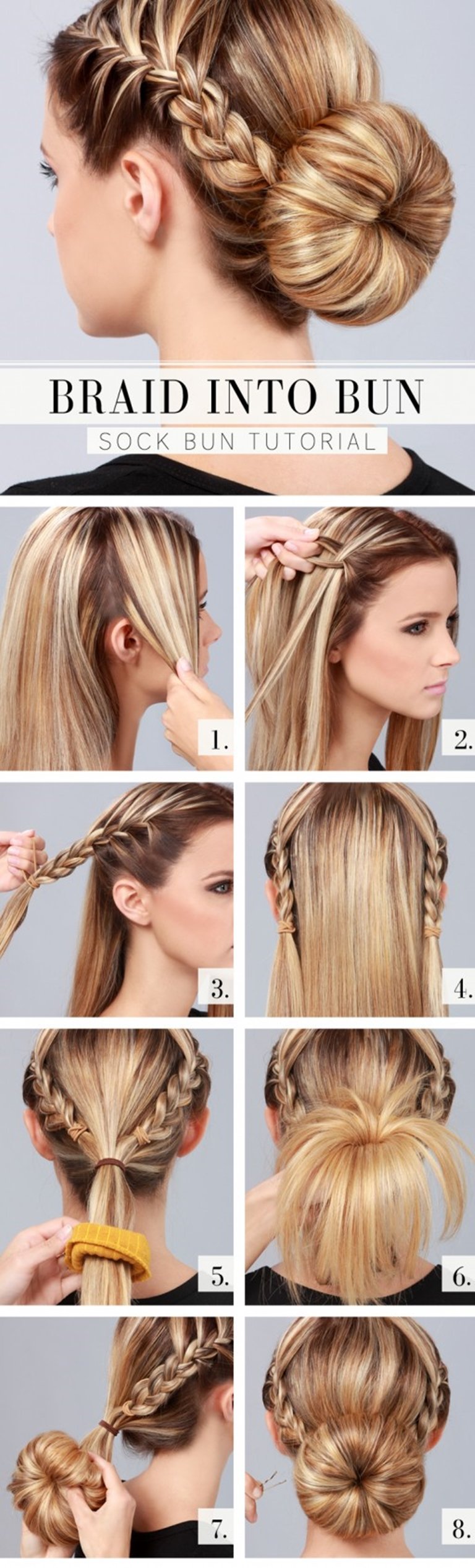
Make a low ponytail, twist it, and roll it into a bun at the nape of your neck. It’s elegant and suits office wear and formal events.
9. Headband Style
Leave your hair loose or slightly waved and add a wide headband. This works well with soft waves from heatless curls.
10. Fishtail Braid
Split hair into two sections, take a small strand from the outside of one section, cross it over to the other, and repeat. It takes a little practice, but looks impressive.
Which Hairstyle Suits Which Occasion?
Occasion
Best hairstyles
College or school
High ponytail, side braid, half-up
Office
Low chignon, low ponytail with a twist
Gym or workout
Top knot, high ponytail
Casual outing
Messy bun, headband style
Party or wedding
Fishtail braid, half-up with waves
Hairstyle Tips to Protect Long Hair
Avoid tight styles every day. Constant tension can cause breakage and hair fall (see our guide on how to stop hair fall).
Switch the position of ponytails and buns regularly.
Seeing clumps of hair in the shower or on your brush is stressful. The good news is that most everyday hair fall is linked to habits, diet, and stress, and those can be improved.
This guide covers why hair fall happens and 10 tips to reduce it.
Is Losing Hair Normal?
Yes, to a point. Most people shed roughly 50 to 100 hairs a day as part of the natural growth cycle. It’s a concern when you notice much more shedding than usual, visible thinning, or a widening part that lasts for weeks.
Common Causes of Hair Fall
Stress: Physical or emotional stress can push more hairs into the shedding phase.
Poor nutrition: Low protein, iron, zinc, or vitamin D intake affects hair health.
Harsh hair habits: Tight hairstyles, heavy heat styling, and rough brushing cause breakage.
Hard water and pollution: Buildup can leave the scalp irritated and hair brittle.
Hormonal changes: Pregnancy, postpartum, and thyroid issues can trigger shedding.
Dandruff and scalp problems: An unhealthy scalp weakens hair at the root.
Lack of sleep: Poor rest affects recovery and overall health.
10 Ways to Reduce Hair Fall
1. Eat for your hair
Include protein (eggs, dal, paneer, chicken, sprouts), iron-rich foods (spinach, lentils, dates), and healthy fats (nuts, seeds). Hair is mostly protein, so a low-protein diet often shows up in your hair first.
2. Oil your scalp gently, once or twice a week
Warm coconut, castor, or almond oil massaged for 5 to 10 minutes improves circulation and reduces friction. Oil 1 to 2 hours before washing rather than overnight if your scalp is oily or prone to dandruff.
3. Wash with a mild shampoo
Choose a gentle shampoo suited to your scalp type and wash 2 to 3 times a week. Very frequent washing with harsh products can dry out hair, while rarely washing can clog follicles.
4. Condition the lengths, not the scalp
Conditioner on the ends reduces breakage and tangling. Applying it heavily on the scalp can weigh hair down.
5. Never comb wet hair aggressively
Wet hair is fragile. Detangle from the ends upward with a wide-tooth comb.
6. Avoid tight hairstyles
Constant pulling from tight ponytails, braids, or buns can lead to traction-related hair loss. Change your hairstyle often and let hair down at home.
7. Reduce heat and chemical treatments
Limit straighteners, blow dryers, coloring, and bleaching. Try heatless styling instead. (See our guide to heatless curls.)
8. Manage stress
Regular exercise, walking, meditation, or breathing exercises help. Stress-related shedding often improves once stress does, though it may take a few months.
9. Sleep well and stay hydrated
Aim for 7 to 8 hours of sleep. A silk or satin pillowcase reduces friction overnight.
10. Treat dandruff and scalp issues early
A flaky, itchy scalp can worsen hair fall. Use an anti-dandruff shampoo as directed, and see a doctor if it doesn’t clear up.
Do Home Remedies Like Onion Juice or Fenugreek Work?
Popular remedies include onion juice, fenugreek (methi) paste, aloe vera, and hibiscus. They’re widely used and generally safe for most people, but scientific evidence is limited, so treat them as supportive care, not a guaranteed cure. Always do a patch test first to check for irritation.
When to See a Doctor
Consult a dermatologist or trichologist if you notice:
Sudden or heavy hair loss
Bald patches
A receding hairline or widening part that keeps progressing
Scalp pain, redness, or sores
Hair loss along with fatigue, weight changes, or other symptoms
Blood tests can check for deficiencies or thyroid problems, and treatment works best when started early.
Quick Hair Fall Routine
Habit
How often
Scalp massage with oil
1 to 2 times a week
Shampoo
2 to 3 times a week
Protein-rich meals
Daily
Trim
Every 8 to 12 weeks
Silk or satin pillowcase
Nightly
Frequently Asked Questions
How many hairs is normal to lose in a day? About 50 to 100 strands is generally considered normal.
Can hair fall be stopped completely? Not entirely, since shedding is natural, but abnormal hair fall can often be reduced by addressing the cause.
How long does it take to see results? Hair grows slowly, so expect around 2 to 3 months of consistent care before you notice a change.
Does oiling reduce hair fall? Oiling can reduce breakage and improve scalp comfort, but it doesn’t treat underlying causes like deficiencies or hormonal issues.
Does frequent shampooing cause hair fall? No. Washing removes hairs that have already shed. Harsh products and rough handling are the bigger issue.
Final Thoughts
Reducing hair fall comes down to better nutrition, gentle handling, scalp care, and lower stress. Start with 2 or 3 changes, stay consistent for a few months, and see a specialist if the problem continues.
This article is for general information and isn’t medical advice.
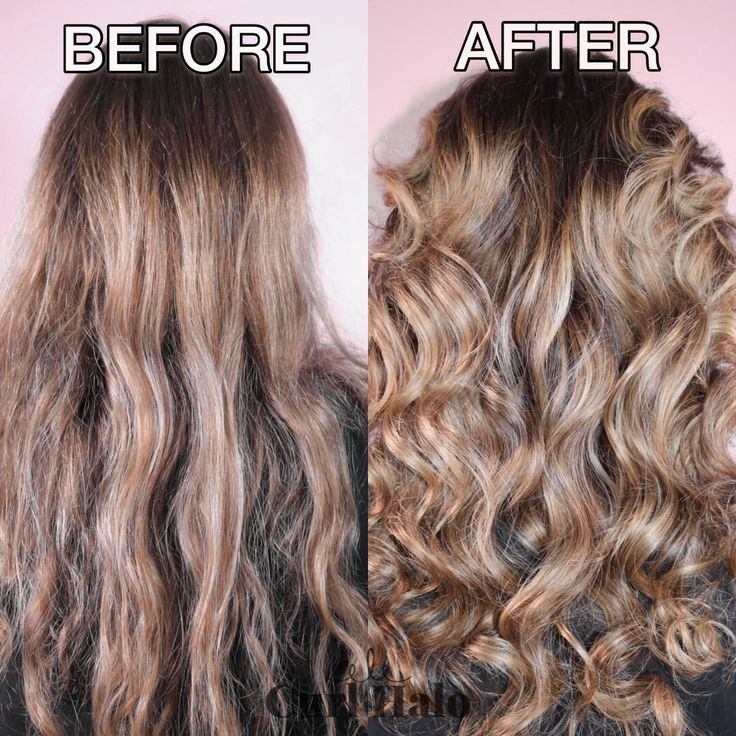
Curling irons and hot tools deliver gorgeous curls, but they can also leave your hair dry and damaged. Heatless curls give you similar results without the heat. They’re gentle, cheap, and easy to do while you sleep.
Below are seven heatless hairstyle methods, plus tips to make your curls last.
Are Heatless Curls Better for Your Hair?
Heatless methods avoid direct high heat, which helps reduce dryness, split ends, and breakage. The tradeoff is time, since most methods need a few hours or overnight to set. For everyday styling, that’s a worthwhile exchange for healthier hair.
Before You Start: Prep Tips
Start with damp, not soaking, hair. Hair that’s about 70 to 80% dry sets best.
Apply a light mousse or curl-setting lotion for hold.
Detangle first so curls form evenly.
Section your hair. Smaller sections give tighter curls, larger ones give loose waves.
7 Heatless Curl Methods
1. Robe or Silk Scarf Curls (Overnight Heatless Curls)
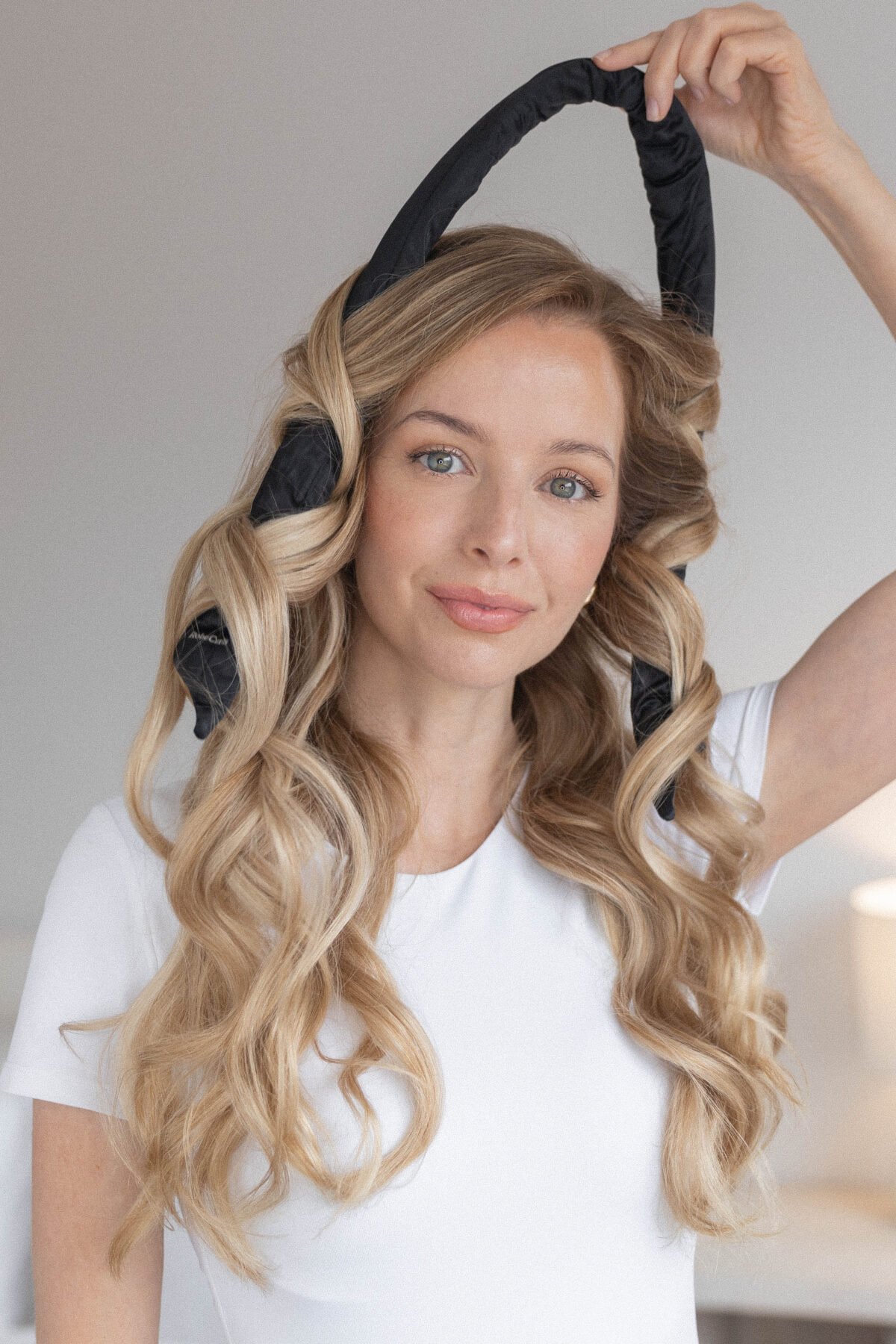
Wrap your hair around a robe belt or silk scarf placed on top of your head, working from front to back. Tie the ends and sleep on it. In the morning, unwrap for soft, voluminous waves.
2. Sock Curls
Roll sections of damp hair around clean, soft socks and tie them in place. This gives bouncy, defined curls and needs no special tools.
3. Overnight Braids
Braid your hair in two, four, or several small sections. Fewer braids create loose waves, and more braids make tighter, crimped texture.
4. Bun Curls
Twist your hair into a high bun or several mini buns. It’s the simplest method for relaxed waves, and it works well for shoulder-length hair.
5. Flexi Rods or Foam Rollers
Wrap sections around soft rods or rollers and leave them in for a few hours. This method gives the most defined, long-lasting curls, and it’s comfortable to sleep in.
6. Twist-and-Pin Curls
Twist small sections, coil them flat against your head, and pin them. Release in the morning for vintage-style ringlets.
7. Headband Curls
Wrap sections of hair around a stretchy headband worn around your head. It’s quick, beginner-friendly, and great for beachy waves.
Which Method Is Right for You?
Method
Best for
Result
Robe or scarf
Medium to long hair
Soft, voluminous waves
Sock curls
Any length
Bouncy curls
Braids
Beginners
Loose waves to crimps
Buns
Short to medium hair
Relaxed waves
Flexi rods
Defined curls
Long-lasting ringlets
Twist-and-pin
Vintage looks
Tight curls
Headband
Quick styling
Beachy waves
How to Make Heatless Curls Last Longer
Make sure hair is dry before you undo the curls. Undoing damp curls makes them fall.
Don’t brush them out. Use your fingers to separate curls gently.
Finish with a light hairspray or texturizing spray.
Use a small amount of serum to control frizz and add shine.
Sleep on silk or satin to preserve the shape.
Common Mistakes to Avoid
Using too much product, which weighs hair down
Wrapping hair too tightly, which causes tension and breakage
Taking curls out while hair is still damp
Skipping prep, so curls fall flat within hours
Frequently Asked Questions
How long do heatless curls last? Typically 1 to 2 days, and longer with a good setting spray and silk pillowcase.
Can you do heatless curls on short hair? Yes. Try flexi rods, mini buns, or twist-and-pin curls.
Do heatless curls work on straight, fine hair? They do, but you’ll get better hold with mousse or setting lotion and by starting with damp hair.
Can I do heatless curls in the morning? Yes, but they need at least 2 to 3 hours to set. Overnight gives the best results.
Final Thoughts
Heatless curls are one of the easiest ways to get gorgeous hair without damaging it. Start with the robe or braid method, then try others to find your favorite.
If you’ve ever styled your hair perfectly, stepped outside, and watched it puff up within minutes, you know how frustrating frizz is. The good news is that frizz is fixable. Once you understand why it happens, you can change your routine and see a real difference.
This guide explains the causes of frizzy hair and gives you nine practical fixes you can start using this week.
Why Is My Hair Frizzy?
Frizz happens when the outer layer of your hair (the cuticle) is raised and rough. Instead of lying flat, it absorbs moisture from the air, causing the strand to swell and stick out. The most common triggers are:
Dryness: Dry hair pulls in humidity to make up for missing moisture.
Heat damage: Flat irons and blow dryers roughen the cuticle over time.
Harsh shampoos: Strong sulfates can strip natural oils.
Rough towel drying: Rubbing creates friction and lifts the cuticle.
Chemical treatments: Bleaching and coloring make hair more porous.
Humidity: Damp air causes even healthy hair to swell.
9 Ways to Control Frizzy Hair
1. Switch to a hydrating, sulfate-free shampoo
Look for gentle cleansers that don’t strip your scalp. Wash 2 to 3 times a week rather than daily, unless your scalp is very oily.
2. Condition every wash, and focus on the ends
Apply conditioner from mid-length to ends, leave it for 2 to 3 minutes, and rinse with cool water. Cool water helps the cuticle lie flatter.
3. Use a deep conditioning mask weekly
A hair mask with ingredients like shea butter, argan oil, or coconut oil restores moisture. Leave it on for 10 to 20 minutes once a week.
4. Stop rubbing your hair with a towel
Gently squeeze water out with a microfiber towel or an old cotton T-shirt. This one habit noticeably reduces frizz.
5. Apply a leave-in conditioner or serum on damp hair
Products applied to damp hair lock in moisture before frizz forms. Use a pea-sized amount of serum on the ends, not the roots.
6. Use the best oil for frizzy hair
Lightweight oils like argan or jojoba seal moisture without making hair greasy. Use a few drops on dry ends. Heavier oils like coconut oil suit thick or coarse hair but can weigh down fine hair.
7. Lower the heat, and always use a heat protectant
Keep tools at the lowest effective temperature and never style bone-dry hair without a protectant. Let hair air-dry about 70% before blow-drying.
8. Sleep on a silk or satin pillowcase
Cotton creates friction overnight. Silk or satin lets hair glide, reducing breakage and morning frizz. A loose braid or bun helps too.
9. Get regular trims
Split ends fray upward and create frizz. A trim every 8 to 12 weeks keeps ends healthy.
Frizzy Hair Routine at a Glance
Step
What to do
How often
Shampoo
Gentle, sulfate-free
2 to 3 times a week
Condition
Mid-lengths to ends
Every wash
Hair mask
Deep moisture treatment
Weekly
Leave-in / serum
On damp hair
After every wash
Trim
Remove split ends
Every 8 to 12 weeks
How to Control Frizz in Humid Weather
Humidity is the hardest test for frizzy hair. Use an anti-humidity or anti-frizz serum, avoid brushing dry hair, and choose styles like braids or low buns that limit exposure. Carry a small serum for touch-ups, and skip heavy brushing during the day.
Frequently Asked Questions
Can frizzy hair be permanently fixed? Frizz caused by dryness or damage can be greatly reduced with the right routine, though naturally wavy or curly hair will always be a bit more prone to it.
Does coconut oil help with frizz? It can for thick, coarse, or very dry hair, but it may weigh down fine hair. Use it sparingly.
Why is my hair frizzy even after conditioning? Common causes are product buildup, heat damage, or using the wrong products for your hair type. A clarifying shampoo once or twice a month can help.
Should I brush frizzy hair? Detangle gently with a wide-tooth comb, ideally on damp hair with conditioner in it. Avoid brushing dry hair.
Final Thoughts
Frizz control isn’t about one miracle product. It’s about consistent moisture, less friction, and less heat. Start with two or three changes from this list, and add more as you see results.
If your frizz comes with heavy shedding or scalp irritation, consider seeing a dermatologist or trichologist.
If your hair feels rough, tangled, and duller no matter how much conditioner you use, the problem might not be your shampoo, your diet, or even the weather — it could be your hard water. Hard water hair damage is one of the most common yet most overlooked causes of frizz, breakage, and hair fall, especially if you live in a city where groundwater is your main water source.
The good news: once you know what’s happening, hard water hair damage is easy to manage — often without spending a rupee on new equipment. Here’s exactly what’s going on, how to confirm it’s the culprit, and the routine that actually reverses it.
[Image alt text: woman checking dry, tangled hair strands caused by hard water damage]
What Is Hard Water, and Why Does It Damage Hair?
“Hard” water simply means it carries a high concentration of dissolved minerals — mostly calcium and magnesium — picked up as it passes through rock and soil before reaching your tap.
Those minerals don’t just disappear when you shampoo. They:
Coat the hair shaft, forming a dull, waxy film that blocks moisture from getting in
React with shampoo and soap, leaving behind a residue instead of rinsing clean
Roughen the hair’s outer cuticle, which is what makes hard-water hair feel like straw
Irritate and dry out the scalp, which can worsen shedding over time
None of this is instant. It’s a slow buildup — which is exactly why so many people blame the wrong thing (a new shampoo, stress, “the season changing”) before realising the water itself is the constant.
Signs of Hard Water Hair Damage
You don’t need a lab test to suspect hard water. Watch for this pattern:
Hair feels rough or straw-like within hours of washing, even with conditioner
Shampoo barely lathers, or leaves a slightly filmy, waxy feeling
Colour-treated hair fades or turns brassy faster than expected
Increased hair fall or breakage with no other lifestyle changes
A dry, sometimes itchy or flaky scalp
Hair looks dull and “lifeless” despite regular oiling or masks
Soap scum or white mineral deposits on your shower glass or tap fittings — this is the biggest tell, since it confirms the water itself, not just the hair symptoms
If two or more of these sound familiar, hard water is worth treating as a suspect, not just a footnote.
Do You Actually Have Hard Water? A Quick Way to Check
You don’t need a testing kit to get a rough answer:
Look at your fixtures. White, chalky scale on taps, shower heads, or kettles is a strong sign.
Check the lather test. Hard water makes soap and shampoo foam poorly and rinse off unevenly.
Ask about your water source. Groundwater and borewell-fed supplies are almost always harder than water from large surface reservoirs.
Buy a cheap TDS meter. Anything consistently above 150–200 ppm is worth treating as hard water for hair-care purposes; above 300 ppm is considered quite hard.
[Image alt text: TDS meter reading showing hard water levels for hair care]
How to Fix and Prevent Hard Water Hair Damage
You don’t need to overhaul your bathroom to see a difference. Work through these in order of effort — start at the top.
1. Switch to a Chelating or Clarifying Shampoo
This is the single highest-impact change you can make. Chelating shampoos contain ingredients like EDTA or citric acid that bind to mineral deposits and rinse them away, rather than just cleaning the hair’s surface.
Use it once every 1–2 weeks — it’s stronger than a daily shampoo and can be drying if overused
Follow immediately with a deep conditioner or hair mask to replace moisture it strips away
Look for the words “chelating,” “clarifying,” or “mineral removing” on the label
2. Add an Acidic Rinse After Washing
Mineral deposits are alkaline, so a mild acid helps dissolve and rinse them off.
Mix 2 tablespoons of apple cider vinegar into 1 litre of water
Pour over clean, wet hair after your last shampoo rinse
Leave for 2–3 minutes, then rinse with plain water
Use once a week — it also helps close the hair cuticle, adding shine
3. Install a Shower Filter
A shower head filter is a low-cost, no-plumbing-work fix that reduces mineral and chlorine exposure at the source. It won’t soften water as fully as a whole-home softener, but it noticeably cuts down on residue build-up over a few weeks of use.
4. Deep-Condition Weekly, Non-Negotiably
Hard water strips moisture faster than normal, so a once-a-week deep conditioning mask isn’t optional here — it’s maintenance. Look for masks with amino acids, hydrolysed proteins, or ceramides, which help rebuild the cuticle layer that hard water roughens.
5. Consider a Water Softener for Long-Term Relief
If you’re dealing with genuinely hard water (300+ ppm) and can invest in it, a point-of-use or whole-home water softener addresses the root cause rather than managing symptoms. It’s the most effective long-term fix, but also the most expensive — reasonable to plan for once you’ve confirmed hard water is a real, ongoing issue rather than a one-off.
6. Rinse with Filtered or Bottled Water When You Can
Not practical every day, but if you’re doing a colour treatment, a keratin service, or any chemical process, a final rinse with filtered or RO water helps the treatment set properly without mineral interference.
A Simple Weekly Routine to Follow
Day
What to do
Wash days (2–3x/week)
Regular sulphate-free shampoo + conditioner
Once a week
Chelating/clarifying shampoo, followed by deep conditioning mask
Once a week
Apple cider vinegar rinse after your regular wash
Ongoing
Shower filter installed and filter cartridge replaced per instructions
Special occasions
Final rinse with filtered/RO water before or after colour/keratin treatments
When to See a Dermatologist or Trichologist
Hard water can worsen hair fall, but it’s rarely the only cause. See a professional if:
Hair fall continues for more than 8–12 weeks despite the routine above
You notice visible thinning or widening of the parting
Your scalp is persistently red, flaky, or painful
Hair fall started suddenly alongside other symptoms (fatigue, weight changes, etc.), which can point to a medical cause unrelated to water
A trichologist can rule out thyroid issues, iron deficiency, or androgenetic alopecia — conditions that hard water can mask or mimic.
Frequently Asked Questions
Can hard water actually cause hair fall, or just dryness? Both. Hard water primarily causes dryness, roughness, and breakage, but a compromised scalp barrier and weakened, brittle strands do lead to more visible shedding over time — especially when combined with rough towel-drying or tight hairstyles.
How often should I use a chelating shampoo? Once every one to two weeks for most people. Using it more often can strip natural oils and cause the same dryness you’re trying to fix.
Is bottled or RO water enough to wash my hair in every day? It’s effective but rarely practical long-term. Save it for occasions where water quality really matters, like right after a colour or keratin treatment, and rely on chelating shampoo and shower filters for everyday use.
Do water softeners work for hair, or just for skin and appliances? They help both. Softened water reduces mineral buildup on hair the same way it prevents scale on appliances, which is why it’s considered the most complete long-term fix.
What’s the fastest way to see a difference? An apple cider vinegar rinse gives the quickest visible change in texture and shine — often after just one or two uses — while chelating shampoo and deep conditioning build results over 3–4 weeks.
The Takeaway
Hard water hair damage is common, cumulative, and completely manageable once you know what to look for. Start with the cheapest fixes — a chelating shampoo and a vinegar rinse — before spending on equipment, and give any routine at least three to four weeks before judging results. Your hair took months to show the damage; it’s reasonable to give it a few weeks to show the recovery.
[Internal link placeholder: link to your “sulphate-free shampoo guide” or “weekly hair mask routine” post here]
Ever bought a shampoo because the bottle looked nice, or because a friend swore by it, only to end up with limp, greasy hair by day two? You’re not alone. Most of us have a shelf full of half-used bottles that promised salon-perfect hair and delivered… nothing much.
Here’s the thing nobody tells you at the store: there’s no such thing as “the best shampoo.” There’s only the best shampoo for your hair. What works wonders for your friend’s thick, curly hair could leave yours looking flat, dry, or worse — it could even make hair fall and dandruff more stubborn than before.
So let’s fix that. In this guide, I’ll walk you through how to actually figure out your hair type, which ingredients to look for (and which to run from), and how to finally pick a shampoo that works with your hair instead of against it.
Why Your Hair Type Matters More Than the Brand
Here’s something a lot of people don’t realize: shampoo isn’t one-size-fits-all because hair itself isn’t one-size-fits-all. Every strand type reacts differently to cleansing agents, oils, and proteins.
Think about it this way — a shampoo built for fine, oily hair is designed to strip away excess oil fast. Put that same shampoo on curly hair, which is naturally drier, and you’ll end up with frizz and brittleness. Flip it around, and a rich, moisturizing shampoo made for dry hair will feel like a grease bomb on an oily scalp within a day.
So before you even think about brands or price tags, the real starting point is understanding your own hair and scalp.
Step 1: Figure Out Your Hair Type First
This sounds obvious, but most people skip it and just buy whatever’s trending. Take a minute to actually think about which of these sounds like you:
Oily hair — your scalp feels greasy by the second day (sometimes even the first), and your hair looks flat no matter how much you style it
Dry hair — it feels rough or straw-like, maybe your scalp feels tight after washing
Normal hair — you’re one of the lucky ones; oil production is balanced and hair behaves most days
Curly or textured hair — naturally prone to dryness and frizz, since your hair’s natural oils have a harder time traveling down those curls. A shampoo for curly hair without sulfates usually works best here
Color-treated hair — needs a gentler touch. Look specifically for the best shampoo for color-treated hair so you’re not fading your color down the drain
Fine or thin hair — heavy formulas will weigh it down; you want a lightweight shampoo for fine and thin hair that adds volume without the buildup
Dandruff-prone or sensitive scalp — this calls for a shampoo for sensitive scalp or a shampoo for dandruff and oily scalp with proper anti-fungal ingredients, not just a “gentle” label
And here’s a detail that trips a lot of people up: you can be a mix. Oily roots with dry, damaged ends is extremely common, especially if you color or heat-style your hair. If that’s you, treat your scalp and your lengths separately — shampoo for the roots, richer treatments for the ends.
Step 2: Match Ingredients to Your Hair Type
Once you know your type, this part gets a lot easier. Here’s a quick cheat sheet:
Hair Type
Look For
Avoid
Oily hair
Clarifying agents, tea tree oil, salicylic acid
Heavy oils, silicones
Dry/frizzy hair
Glycerin, shea butter, hyaluronic acid, argan oil
Sulfates, alcohol-based formulas
Curly hair
Sulfate-free, moisturizing, co-wash formulas
Harsh sulfates, drying alcohols
Color-treated hair
Sulfate-free, UV protectants, color-lock formulas
Sulfates, clarifying shampoos (use sparingly)
Fine/thin hair
Lightweight volumizing formulas, biotin
Heavy creams, thick conditioning shampoos
Dandruff-prone
Zinc pyrithione, ketoconazole, selenium sulfide
Overly moisturizing formulas that trap flakes
Keep this table handy next time you’re standing in the shampoo aisle, squinting at ingredient lists.
Step 3: Learn to Actually Read the Label
Shampoo bottles love to throw around buzzwords. Here’s what they actually mean:
Sulfate-free — one of the real sulfate-free shampoo benefits is that it cleanses gently without stripping your natural oils, which is why it’s such a good fit for dry, curly, or color-treated hair
Paraben-free — simply means it skips certain preservatives some people prefer to avoid
pH-balanced — helps your scalp stay healthy and can noticeably cut down on frizz
Medicated or anti-dandruff — has active ingredients that treat flaking and itchiness, but don’t use it every single day; alternate with a regular shampoo two to three times a week
Anti-hair-fall formulas — if thinning or shedding is a concern, look for a shampoo for hair fall control with biotin, caffeine, or keratin in the ingredient list
A Few Ingredients Worth Avoiding
You don’t need to panic and avoid every sulfate or silicone on the market — plenty of people use them without issue. But if your hair is already dry, color-treated, or damaged, harsh sulfates (SLS/SLES) and high alcohol content will only make things worse. Heavy silicones can also build up over time, especially on fine hair, leaving it looking dull and weighed down. When in doubt, flip the bottle over and actually read the ingredients — not just the marketing on the front.
Step 4: How Often Should You Actually Wash Your Hair?
This is one of the most common questions I hear, and honestly, the answer depends entirely on your hair type:
Oily hair — every day or every other day
Normal hair — 2 to 3 times a week
Dry or curly hair — 1 to 2 times a week, with co-washing in between if needed
Color-treated hair — twice a week, and always with cool water to help lock in color
Wash too often and you strip your natural oils, which can actually push your scalp to produce even more oil to compensate. Wash too little and you’re looking at buildup and scalp irritation instead. If you’ve got curly hair and you’re torn on co-wash vs shampoo, co-washing — cleansing with conditioner only — on the days you skip shampoo can help your curls hold onto moisture.
Mistakes People Make All the Time
Choosing a shampoo because it smells nice or the bottle looks pretty — instead of checking the ingredients
Using anti-dandruff shampoo every day — it’s meant to be alternated, not used constantly, or it’ll dry out your scalp
Skipping conditioner because your hair is oily — even oily hair needs conditioner, just keep it on the lengths and away from the roots
Not rinsing properly — leftover shampoo residue is a sneaky cause of dull, buildup-heavy hair
Switching shampoos every few weeks out of impatience — give a new formula at least 2 to 3 weeks before deciding it’s not working
Final Thoughts
Picking the right shampoo really isn’t about chasing trends or buying whatever’s going viral this month. It comes down to knowing your hair, understanding your scalp, and actually reading what’s in the bottle instead of trusting what’s printed on the front. Start with identifying your hair type, match it against the ingredients that work for you, and give it time. Small, consistent choices in your hair care routine tend to beat switching products every other month.
Frequently Asked Questions
Can I use the same shampoo for an oily scalp and dry ends? Yes, and it’s actually pretty common. Focus the shampoo on your scalp where the oil builds up, then use a hydrating conditioner or hair mask on your lengths and ends where the dryness is.
Is sulfate-free shampoo something everyone needs? Not necessarily. But if your hair is color-treated, curly, or already dry and damaged, it’s worth the switch — sulfates tend to strip moisture and fade color faster than you’d like.
How long before I actually see results from a new shampoo? Give it at least 3 to 4 weeks. Your hair growth cycle and scalp need time to adjust, so don’t judge a shampoo after just a couple of washes.
What’s the best shampoo for a sensitive scalp? Stick to fragrance-free, sulfate-free formulas with calming ingredients like aloe vera or oat extract. Skip anything loaded with dyes or strong essential oils.
Can a bad shampoo actually cause hair fall? Not directly, but a harsh or mismatched one can weaken your strands and irritate your scalp, which makes existing shedding look and feel worse. If hair fall is already a concern, a shampoo for hair fall control with biotin or caffeine can genuinely help support scalp health.
Which shampoo ingredients should I avoid completely? Honestly, not every sulfate or silicone deserves the bad reputation they get. But if your hair is dry, colored, or damaged, steer clear of high-sulfate and high-alcohol formulas — they’re the ones most likely to strip moisture you can’t afford to lose.