
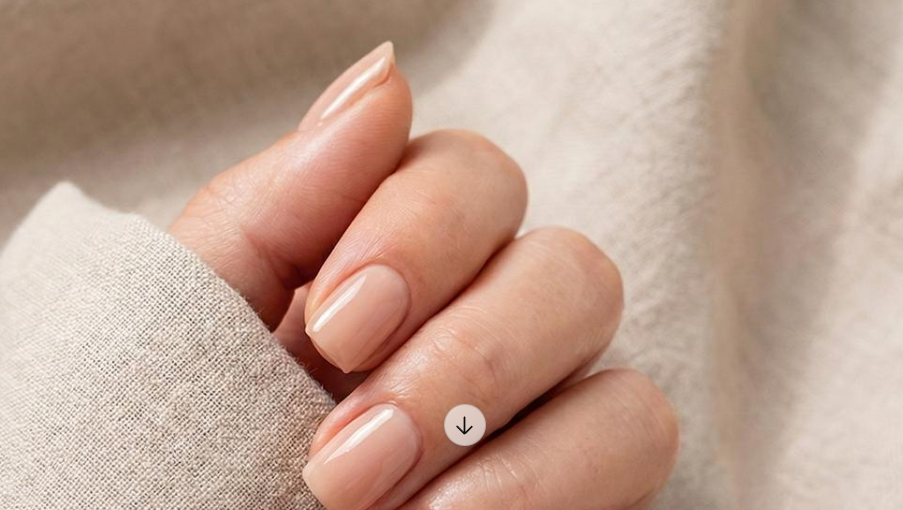
Press-on nails have become an easy way to get a polished manicure at home without spending hours at a salon. From chrome and glazed finishes to French tips and short almond shapes, press-ons now come in styles for everyday wear as well as special occasions. Recent Indian nail-trend coverage has highlighted chrome, coloured French tips and other press-on styles as popular looks.
But there’s one common problem: press-on nails can start lifting or falling off sooner than expected.
The good news is that your application technique makes a big difference.
Here’s how to make press-on nails last longer while keeping your natural nails healthy.


What Are Press-On Nails?
Press-on nails are artificial nail tips designed to attach to your natural nails using either nail adhesive or adhesive tabs.
They are available in many different:
- Shapes
- Lengths
- Colours
- Finishes
- Nail-art designs
Popular 2026 styles include milky neutrals, chrome, cat-eye finishes, jelly effects, micro French tips and small decorative details.
Unlike acrylic or builder-gel extensions, press-ons can be applied at home without necessarily requiring a salon appointment.
How to Make Press-On Nails Last Longer
1. Start With Clean, Dry Nails
This is one of the most important steps.
Before applying your press-ons, remove old nail polish and wash your hands. Your nails should be completely dry before application.
Avoid applying press-ons immediately after a shower or soaking your hands because moisture can interfere with adhesion.
Quick preparation:
Clean → Dry → Prepare → Apply
Don’t skip the preparation step just because you want to get your manicure done quickly.
2. Choose the Correct Nail Size
A press-on nail should fit your natural nail without sitting on the surrounding skin.
If the artificial nail is too large, it may catch on clothing or objects.
If it is too small, it may leave part of your natural nail exposed and can feel uncomfortable.
Before applying adhesive, place each press-on against your natural nail and check the fit.
If you’re between two sizes, choose the one that fits your nail better and gently file the artificial nail if the manufacturer allows it.


3. Gently Prepare the Nail Surface
A clean nail surface helps the adhesive make better contact.
You can gently remove surface oils according to the instructions supplied with your press-on nail kit.
Don’t aggressively buff your natural nails.
Dermatologists warn that artificial nail application can involve filing that makes natural nails thinner and weaker, so unnecessary filing should be avoided.
The goal is better adhesion without damaging the natural nail underneath.
4. Apply the Adhesive Correctly
If you’re using nail glue, follow the instructions that come with the product.
Apply an appropriate amount rather than flooding the entire nail with adhesive.
Place the press-on close to the cuticle area without putting it directly onto the surrounding skin.
Then press it firmly into place.
Hold it according to the adhesive manufacturer’s instructions.
Don’t immediately start using your hands.
Give the adhesive enough time to set.
5. Avoid Water Immediately After Application
One of the easiest ways to improve the longevity of your manicure is to avoid unnecessary water exposure immediately after applying your press-ons.
Try to apply your nails when you know you won’t need to:
- Wash dishes
- Take a long shower
- Go swimming
- Clean the house
soon afterward.
Give your manicure time to settle before exposing it to prolonged water.
6. Wear Gloves While Cleaning
Household cleaning can be rough on both your natural nails and artificial nails.
When washing dishes or using cleaning products, wear protective gloves.
This can help reduce prolonged exposure to water and chemicals.
It’s also a good general nail-care habit.
7. Don’t Use Your Nails as Tools
This is one of the biggest mistakes people make.
Don’t use your press-on nails to:
- Open cans
- Scratch labels
- Peel stickers
- Open packages
- Scrape surfaces
- Pry objects apart
Even if the press-on feels strong, putting pressure on the tip can cause it to lift or break.
Think of your press-ons as beauty accessories, not tools.
8. Choose Shorter Nails for Everyday Wear
Long nails can create a dramatic look, but shorter shapes can be easier to manage for everyday activities.
If you type frequently, work with your hands, play sports or do household tasks, consider:
- Short almond
- Squoval
- Short square
- Short oval
Shorter press-ons can also be a practical choice if you’re new to wearing artificial nails.
Current 2026 press-on trends include shorter wearable shapes alongside longer statement styles.


9. Don’t Pick or Peel Them Off
When a press-on begins lifting, it can be tempting to pull it off immediately.
Don’t.
Pulling or peeling artificial nails can also remove or damage layers of your natural nail.
The American Academy of Dermatology warns that picking and aggressive removal practices can contribute to nail damage, particularly with artificial and gel nails.
Instead, follow the removal instructions for your particular press-on system.
10. Give Your Natural Nails a Break
You don’t need to wear artificial nails continuously.
If your natural nails become:
- Thin
- Brittle
- Peeling
- Painful
- Sensitive
take a break from artificial nail products.
Dermatologists recommend giving nails time without artificial nails, especially when there are signs of damage.
During the break, focus on basic care such as moisturizing your hands and nails.
How Long Do Press-On Nails Last?
The answer depends on several factors:
- Type of adhesive
- Nail preparation
- Product quality
- Nail size and fit
- Water exposure
- Your daily activities
- How carefully they’re applied
Rather than expecting every set to last exactly the same amount of time, focus on proper preparation and application.
A manicure that’s correctly fitted and applied is less likely to lift prematurely.
Press-On Nails vs Salon Nails
| Feature | Press-On Nails | Salon Extensions |
|---|---|---|
| Application | Usually at home | Usually salon |
| Time | Relatively quick | Usually longer |
| Design choices | Very broad | Very broad |
| Removal | Depends on product | Usually professional/product-specific |
| Cost | Often lower per application | Usually higher |
| Customization | Limited by set | Highly customizable |
| Maintenance | Can be replaced easily | Requires maintenance/fills |
Neither option is automatically right for everyone.
If protecting your natural nails is your priority, how the nails are applied and removed matters more than simply choosing “press-on” or “salon.”
Are Press-On Nails Better Than Acrylic Nails?
Not necessarily.
Both can cause problems if applied or removed incorrectly.
The American Academy of Dermatology notes that artificial nails can contribute to thin, brittle and dry nails, particularly with repeated application and touch-ups.
Press-ons can be convenient because you can wear them for specific occasions rather than maintaining a salon extension continuously.
For healthy nails, moderation and careful removal are important.
How to Remove Press-On Nails Safely
Don’t rip them off.
Instead:
- Follow the removal instructions for your adhesive.
- Don’t force a nail that isn’t ready to come off.
- Avoid scraping your natural nail aggressively.
- Clean your nails after removal.
- Moisturize your nails and surrounding skin afterward.
If you’re using a gel system rather than conventional press-ons, removal is different. The AAD specifically warns against picking or filing gel polish off because this can damage the nail.
What to Do After Removing Press-On Nails
Once your press-ons are removed, give your natural nails some attention.
Simple recovery routine
Step 1: Wash your hands gently.
Step 2: Apply moisturizer to your hands.
Step 3: Massage moisturizer around your cuticles.
Step 4: Keep your nails at a manageable length.
Step 5: Avoid immediately applying another set if your nails look damaged.
You don’t need a complicated collection of nail products.
7 Common Press-On Nail Mistakes
Avoid these mistakes if you want your manicure to last longer:
❌ Applying press-ons to wet nails
❌ Choosing the wrong size
❌ Using too much adhesive
❌ Applying nails directly onto the surrounding skin
❌ Washing dishes immediately after application
❌ Using your nails as tools
❌ Pulling off lifting nails
Small changes to your application routine can make your manicure much easier to maintain.
Best Press-On Nail Styles to Try in 2026
If you’re looking for a new design, current trend coverage points toward several wearable options.
🤍 Milky Nails
Soft, sheer and clean-looking.
✨ Chrome Nails
Reflective finishes remain popular for a more eye-catching manicure.
🌸 Minimal Floral Nails
Tiny floral details can add nail art without making the manicure look overly busy.
🐱 Cat-Eye Nails
Magnetic shimmer creates a dimensional effect that changes with the light.
🤍 Micro French Tips
A smaller, more modern take on the classic French manicure.


Frequently Asked Questions
How can I make press-on nails stay on longer?
Prepare clean, completely dry nails, choose the correct size, apply the adhesive correctly, avoid excessive water immediately afterward and don’t use your nails as tools.
Why do my press-on nails keep falling off?
Common reasons include poor nail preparation, incorrect sizing, excess moisture, insufficient adhesive or putting too much pressure on the nails.
Can press-on nails damage natural nails?
They can contribute to nail damage if they are applied, maintained or removed improperly. Repeated artificial nail use can leave natural nails thin, brittle or dry.
How do I remove press-on nails without damaging my nails?
Follow the instructions for the specific adhesive system and avoid ripping, picking or aggressively scraping the artificial nail away.
Are short press-on nails better for beginners?
Shorter styles can be easier to manage for everyday activities, especially if you’re new to wearing artificial nails.
Final Thoughts
Press-on nails can be an easy way to change your manicure without booking a salon appointment.
But the secret to a better manicure isn’t simply finding the strongest glue.
It’s about proper preparation, correct sizing, careful application, protecting your nails during daily activities and gentle removal.
If your natural nails become persistently thin, brittle, painful or discolored, take a break from artificial nails and consider speaking with a dermatologist.
A beautiful manicure should complement healthy nails—not hide damaged ones.