Categories
Skincare Uncategorized

Common Skincare Mistakes You Should Stop Making

Let’s be honest — most of us didn’t grow up learning proper skincare. We picked things up from ads, older siblings, random internet advice, and a lot of trial and error. So it’s no surprise that even people who are genuinely trying to take care of their skin end up doing things that quietly work against them.

The frustrating part? A lot of these bad skincare habits don’t look like mistakes. They feel productive. Scrubbing harder feels like “deep cleaning.” Skipping sunscreen on a cloudy day feels harmless. Popping a pimple feels satisfying in the moment. But over time, these small habits add up — and they’re often the real reason your skin isn’t cooperating no matter how many products you throw at it.

Here are the most common skincare mistakes people make, why they happen, and what actually helps instead.

1. Over-Exfoliating

Exfoliating feels great. Your skin looks brighter almost instantly, so it’s tempting to do it more often, thinking more must mean better results. In reality, this is one of the most common skincare routine mistakes out there — scrubbing too often, or mixing acids with physical scrubs in the same week, wears down your skin barrier faster than you’d expect.

You’ll usually notice it before you realize what’s causing it: your skin feels tight, looks a little red, or suddenly stings when you apply products that never bothered you before.

A better approach: 1–3 times a week is plenty for most skin types. Pick one method — chemical or physical — and stick with it instead of layering several.
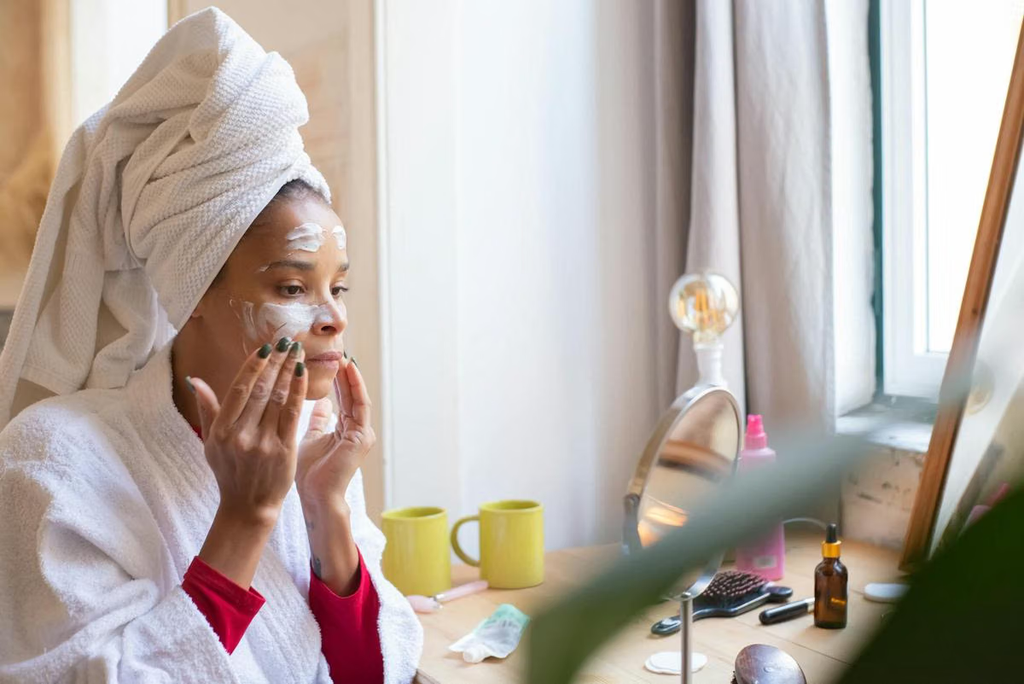
Close-up of face exfoliating scrub, a common skincare mistake when overused

2. Skipping Sunscreen (Or Not Really Applying It)

This is probably the one everyone’s heard a hundred times, and yet it’s still one of the most common daily skincare mistakes. Not because people don’t believe sunscreen works, but because it’s easy to cut corners — a thin layer here, skipping it on a cloudy day there, forgetting to reapply after a few hours.

Here’s the thing: UV rays don’t care whether it’s sunny outside. And most people apply far less sunscreen than they actually need.

A better approach: Use a proper amount — around a full teaspoon for your face — every single day, and reapply if you’re out for a while. It’s genuinely the closest thing to a magic anti-aging step that exists.
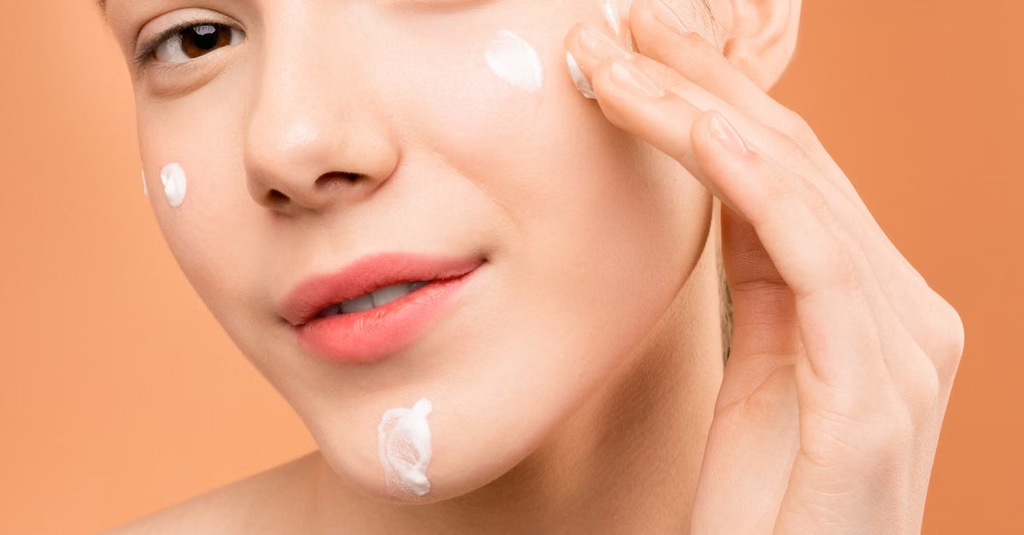
Woman applying sunscreen to her face to avoid common skincare mistakes

3. Piling On Too Many Products

There’s a certain appeal to a long, elaborate routine — it feels like you’re doing more for your skin. But stacking too many actives at once (retinol, vitamin C, acids, benzoyl peroxide, all in the same week) usually does the opposite of what you’re hoping for. It’s one of the classic skincare mistakes for beginners, mostly because nobody tells you that less is often more here.

A better approach: Keep it simple — cleanser, one active treatment, moisturizer, sunscreen. If you want to add something new, introduce it slowly and watch how your skin actually responds before adding the next thing.

4. Skipping the Patch Test

New product just arrived, and it’s tempting to use it right away, all over your face. But reactions don’t always show up immediately — sometimes it takes a couple of days for the redness or breakouts to appear, and by then it’s hard to tell which product caused it.

A better approach: Dab a little on your inner arm or jawline and give it 24–48 hours before committing to your whole face.

5. Sleeping With Makeup Still On

We’ve all done this after a long day. Once in a while, it’s not the end of the world. But making a habit of it clogs your pores, lets bacteria sit on your skin overnight, and speeds up how quickly your skin starts to show signs of aging. It’s one of those bad skincare habits that feels like a minor shortcut until it isn’t.

A better approach: Keep micellar water or cleansing wipes by your bed for the nights you’re too exhausted for a full routine. Even a lazy cleanse beats none at all.

6. Washing Your Face With Hot Water

There’s something comforting about a hot shower, and it’s easy to let that same water hit your face without a second thought. Unfortunately, it strips away your skin’s natural oils and weakens your moisture barrier, which leaves skin drier and more reactive over time.

A better approach: Lukewarm water is your friend here — it cleanses just as well without the damage.

7. Forgetting About Your Neck and Hands

Most routines stop right at the jawline, like the rest of the body doesn’t exist. But your neck, chest, and hands get just as much sun exposure — and they’re often the first places to show visible aging.

A better approach: Whatever moisturizer or sunscreen you’re putting on your face, extend it down to your neck and onto your hands too. It takes ten extra seconds.

8. Skipping Moisturizer Because Your Skin Is Oily

This one trips up a lot of people. The logic makes sense on the surface — oily or acne-prone skin doesn’t need more oil, right? Except skipping moisturizer often makes your skin overproduce oil to compensate, which just fuels the exact problem you’re trying to avoid.

A better approach: A lightweight, oil-free, non-comedogenic moisturizer still belongs in your routine, even if your skin already feels shiny by 2pm.
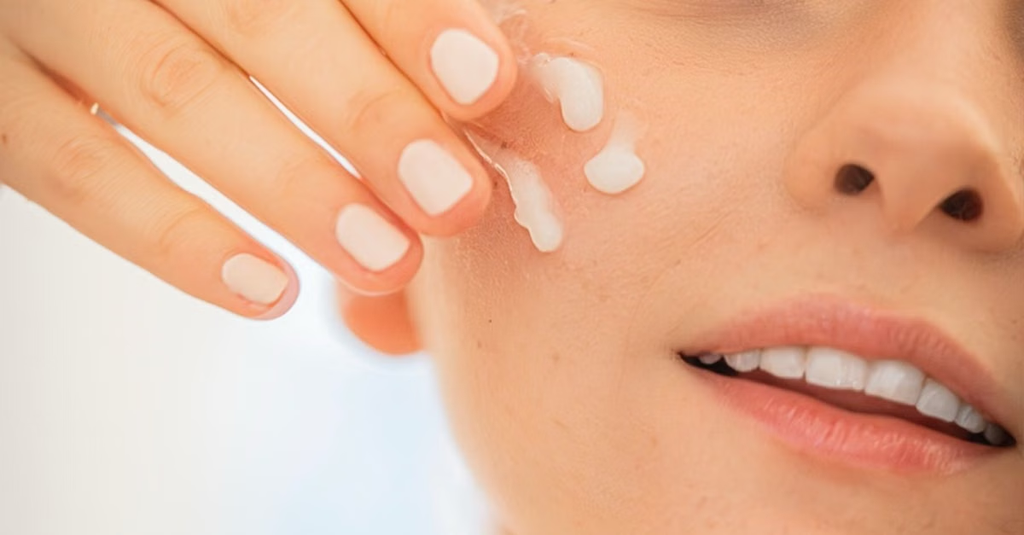
Woman applying moisturizer to prevent oily skin from overproducing oil

9. Picking at Pimples

Satisfying in the moment, genuinely bad for your skin. Picking increases inflammation, slows down healing, and raises your chances of scarring — sometimes turning a pimple that would’ve healed in a few days into a mark that lasts months. Out of all the mistakes that damage your skin, this is probably the easiest one to fix once you find a replacement habit.

A better approach: Reach for a spot treatment or a hydrocolloid patch instead, and let it heal on its own timeline.

10. Never Updating Your Routine

Your skin isn’t static — it changes with the seasons, your age, your stress levels, even your diet. But a lot of people run the exact same routine year-round for years, then wonder why it stopped working as well as it used to.

A better approach: Every few months, take a step back and ask whether your routine still fits your skin. You might need something richer in winter, lighter in summer, or a different active altogether as your skin evolves.

The Quick Version

If you only remember a few things from this list: don’t over-exfoliate, never skip sunscreen, keep your routine simple, patch test new products, and stop picking at your skin. Those five alone will solve most of the common skincare mistakes people struggle with.

Final Thoughts

None of this requires a 12-step routine or expensive products. Most of these healthy skin tips come down to consistency and just… not doing the things that undo your progress. Start with one or two changes, give your skin a few weeks to adjust, and you’ll likely notice a difference before you know it.

Which of these were you guilty of? Be honest — we’ve all done at least one.
Categories
Skincare

10-Step Korean Skincare Routine for Beginners

Introduction

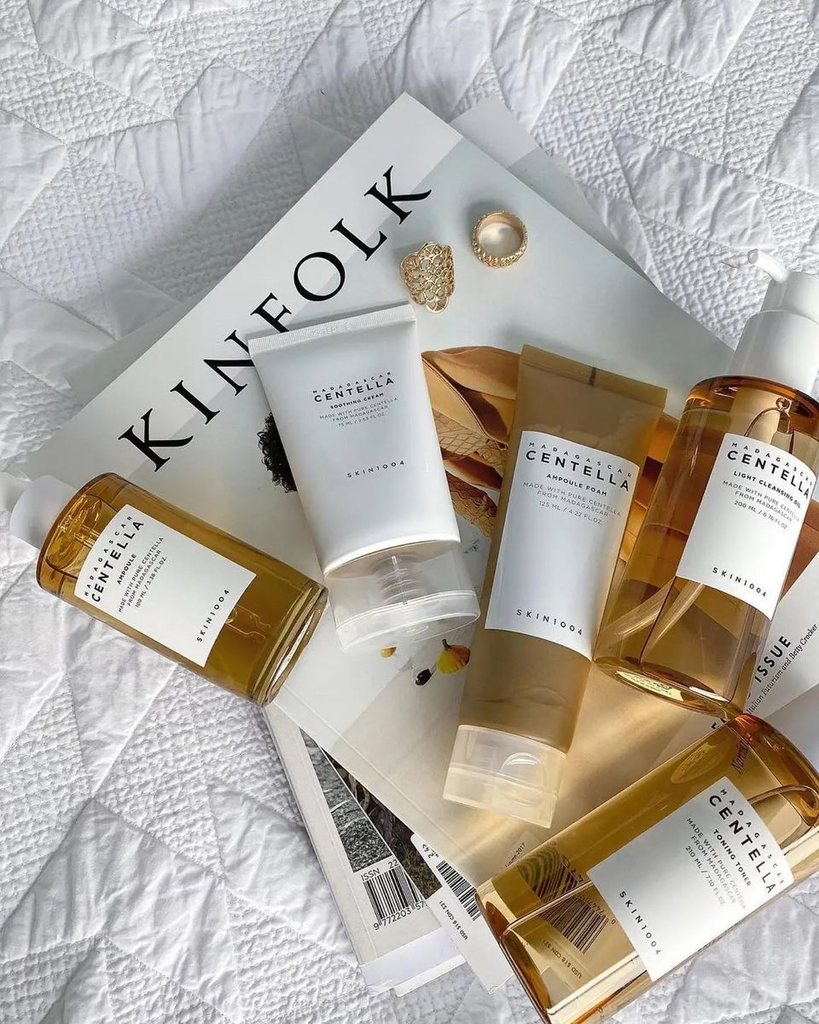
KIN1004 Madagascar Centella skincare set featuring ampoule, toner, soothing cream, and cleanser laid out on Kinfolk magazine.

Ever opened a K-beauty routine guide and immediately closed the tab because it looked like a 45-minute chore? You’re not alone. The “10-step Korean skincare routine” sounds intimidating, but here’s the secret: it’s a framework, not a rulebook.

Korean skincare (K-beauty) became a global phenomenon because it treats skin health as a long game — hydration, gentle care, and prevention rather than aggressive, one-and-done fixes. The result is that glassy, healthy “glass skin” look everyone talks about.

By the end of this guide, you’ll understand exactly what each of the 10 steps does, why it’s in the routine, and — most importantly — how to start with just 3-4 steps and build up from there. No pressure to buy ten products on day one.

What Makes Korean Skincare Different

Korean skincare philosophy is built on a few core ideas:

  • Hydration first. Almost every step is about layering moisture, not stripping it away.
  • Prevention over correction. The goal is to protect and maintain healthy skin rather than wait for problems and fix them aggressively.
  • Layering thin to thick. Products go on in order of texture — from watery to oily — so each layer can absorb properly instead of sitting on top and going nowhere.
  • Gentle, consistent care. Nothing in the routine is meant to be harsh. Consistency matters more than intensity.

Here’s the part beginners always miss: you don’t need to do all 10 steps every single day. Some steps (like exfoliating or sheet masks) are only for 1-3 times a week. Think of the “10 steps” as a full toolkit, not a daily checklist.

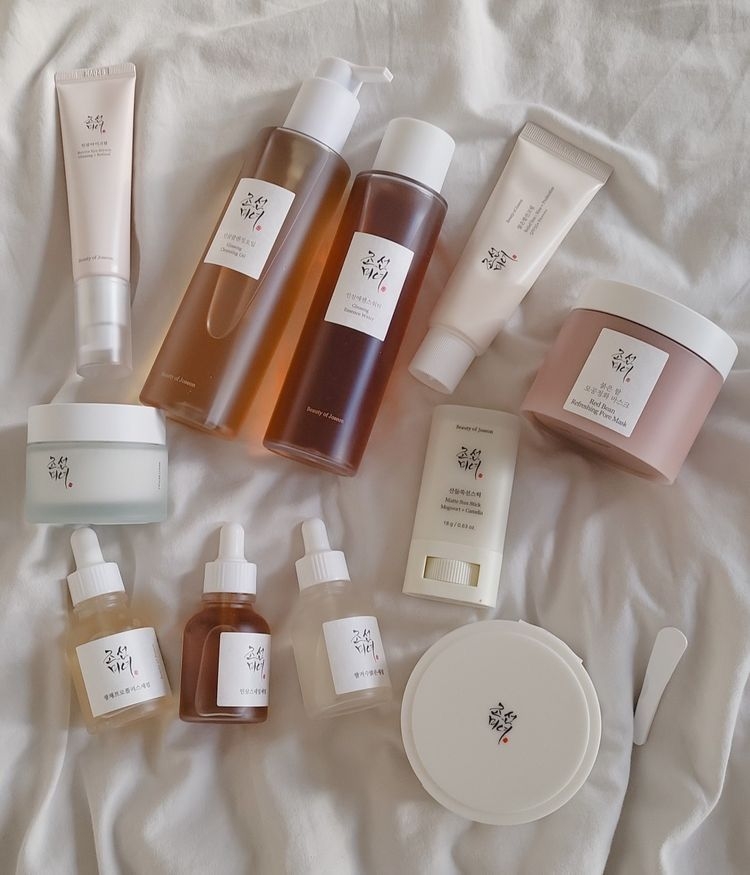
Beauty of Joseon skincare routine collection including serums, sunscreens, Ginseng Essence Water, and Red Bean Refreshing Pore Mask on white fabric.

The 10 Steps Explained

1. Oil Cleanser

Purpose: Dissolves makeup, sunscreen, and oil-based impurities. Why it matters: Water-based cleansers alone can’t fully break down oil and SPF, leaving residue that clogs pores. Product type: Cleansing oil or cleansing balm. Pro tip: Apply to dry skin and hands before adding water — it emulsifies better and won’t sting your eyes.

2. Water-Based Cleanser (Double Cleansing)

Purpose: Removes sweat, dirt, and any leftover residue from the oil cleanser. Why it matters: This is the step that actually cleans the skin itself, not just the surface layer of makeup/SPF. Product type: Gentle foaming or gel cleanser. Pro tip: Skip this in the morning if your skin is dry — a water rinse or gentle cleanser alone is often enough.

3. Exfoliator (1-2x/week, not daily)

Purpose: Removes dead skin cells so other products absorb better. Why it matters: Buildup of dead skin can cause dullness and clogged pores, but over-exfoliating damages your skin barrier. Product type: Chemical exfoliant (AHA/BHA) rather than harsh physical scrubs. Pro tip: More is not better here — this is the #1 step beginners overdo, leading to redness and sensitivity.

4. Toner

Purpose: Rebalances skin pH and preps skin to absorb the next layers. Why it matters: Korean toners are hydrating, not the harsh, drying alcohol toners of the past. Product type: Hydrating toner (look for ingredients like hyaluronic acid or centella asiatica). Pro tip: Pat it in with your hands instead of a cotton pad — you’ll waste less product and won’t tug at your skin.

5. Essence

Purpose: A lightweight, hydrating layer that boosts skin’s ability to absorb everything after it. Why it matters: This is the step most Western routines skip, but it’s considered the “heart” of K-beauty. Product type: Fermented or hydrating essence. Pro tip: A little goes a long way — pat, don’t rub, into the skin.

6. Serum / Ampoule

Purpose: Delivers a concentrated dose of active ingredients for a specific concern. Why it matters: This is where you target things like acne, dark spots, or fine lines. Product type: Depends on your concern — vitamin C (brightening), niacinamide (acne/oil control), hyaluronic acid (hydration). Pro tip: Pick one concern to start. Layering five different actives as a beginner is a recipe for irritation.

7. Sheet Mask (2-3x/week)

Purpose: Intense hydration and nutrient boost in one sitting. Why it matters: Sheet masks lock in moisture and are one of the most beginner-friendly, low-effort steps. Product type: Hydrating or brightening sheet masks. Pro tip: Don’t rinse off the leftover essence after removing the mask — pat it into your skin.

8. Eye Cream

Purpose: Targets the thinner, more delicate skin around the eyes. Why it matters: This area shows signs of dryness, fine lines, and puffiness earlier than the rest of the face. Product type: Lightweight eye cream with hydrating or caffeine-based ingredients. Pro tip: Use your ring finger to apply — it naturally applies the lightest pressure.

9. Moisturizer

Purpose: Seals in everything applied before it and reinforces the skin barrier. Why it matters: Without this step, all the hydration from previous layers can evaporate. Product type: Cream or gel-cream depending on your skin type (gel for oily, richer cream for dry). Pro tip: Don’t skip moisturizer even if you have oily skin — it’s a common myth that oily skin doesn’t need it.

10. Sunscreen (AM Only)

Purpose: Protects skin from UV damage, which causes premature aging and dark spots. Why it matters: This is arguably the most important step in the entire routine — and the most skipped by beginners. Product type: SPF 30-50, Korean sunscreens are known for lightweight, non-greasy formulas. Pro tip: Apply generously (most people use far too little) and reapply every 2-3 hours if you’re outdoors.

Morning vs Night Routine Breakdown

StepMorning (AM)Night (PM)
Oil CleanserOptional
Water-Based CleanserOptional (or water rinse)
Exfoliator✅ (1-2x/week only)
Toner
Essence
Serum/Ampoule✅ (lighter, e.g. vitamin C)✅ (treatment-focused)
Sheet Mask✅ (2-3x/week only)
Eye Cream
Moisturizer
Sunscreen✅ (non-negotiable)

Beginner Tips

  • Start small. Begin with cleanser, moisturizer, and sunscreen. Add one new step every 1-2 weeks.
  • Patch test everything. Apply new products to your inner arm or jawline for a couple of days before full-face use.
  • Consistency beats quantity. A simple 4-step routine done daily beats a 10-step routine done twice a month.
  • Budget-friendly first. Try affordable K-beauty brands before investing in premium products — many drugstore K-beauty lines perform excellently.

Common Mistakes to Avoid

  • Skipping sunscreen. This undoes the benefit of every other step in the routine.
  • Over-exfoliating. Daily exfoliation damages your skin barrier and causes more problems than it solves.
  • Introducing too many new products at once. If your skin reacts badly, you won’t know which product caused it.