
Discover traditional Assamese beauty rituals, from the cultural significance of maah-halodhi to rice water hair care and jetuka mehendi. Explore the heritage, ingredients, and gentle self-care inspiration behind Assam’s regional beauty traditions.
Beauty traditions are more than skincare routines. They can reflect a region’s climate, natural resources, festivals, family customs, and cultural identity.
In Assam, a state in Northeast India, traditional beauty practices include the use of household ingredients, plant-based preparations, and rituals associated with important celebrations. These practices have been passed down through generations, although the exact ingredients and methods can vary between communities and families.
From the turmeric and lentil paste associated with Bihu to traditional hair-oiling practices, Assamese beauty heritage offers an interesting perspective on how culture and personal care can come together.
In this guide, we explore several traditional Assamese beauty rituals, their cultural context, and ways to approach natural ingredients thoughtfully in a modern self-care routine.
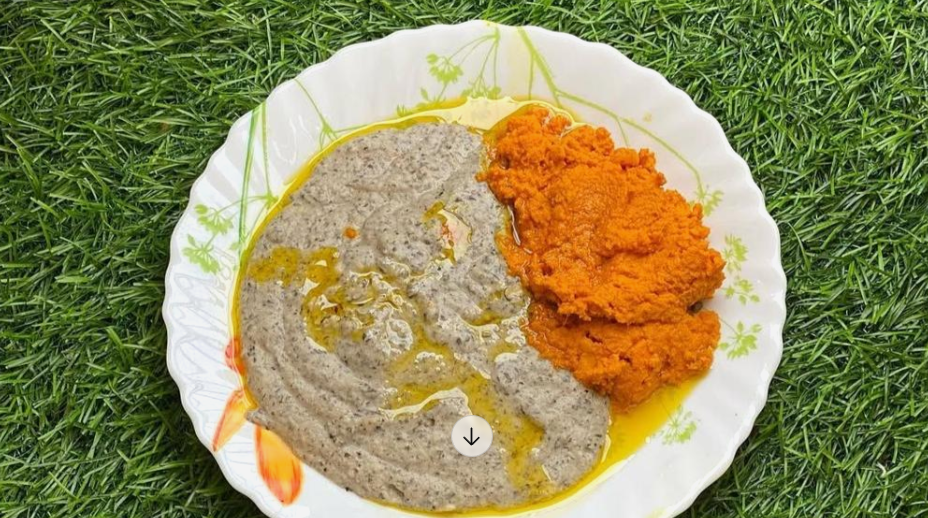
1. Maah-Halodhi: The Traditional Turmeric and Lentil Ritual
One of the recognizable Assamese beauty traditions is maah-halodhi, a preparation made with black lentils, known as maah, and turmeric, known as halodhi.
The ritual is associated with Bihu celebrations, particularly Manuh Bihu, when traditional bathing and cleansing customs hold cultural significance.
The combination of lentils and turmeric is also discussed in connection with traditional body care. Its importance, however, goes beyond the ingredients themselves: it represents a connection with family customs, seasonal celebrations, and inherited knowledge.
Why is maah-halodhi culturally significant?
- It connects beauty and personal care with Assamese festival traditions.
- It reflects the use of familiar household ingredients in traditional practices.
- It illustrates how rituals can be shared across generations.
A traditional ritual should not automatically be treated as a medically proven skincare treatment. Modern skin types and sensitivities differ, so anyone considering a turmeric or lentil preparation should be cautious, avoid harsh scrubbing, and test products appropriately.
2. Rice Water: A Traditional Hair-Care Ingredient
Rice water has a place in traditional hair-care conversations across parts of Asia, including Northeast India. It is also discussed in modern accounts of Assamese beauty practices.
Rice water is the starchy liquid left after soaking or cooking rice. Some people use it as a hair rinse, while others prefer commercially formulated products containing rice-derived ingredients.
How is rice water used in hair care?
A simple, cautious approach is to use a freshly prepared, clean rice-water rinse occasionally:
- Rinse a small amount of rice with clean water.
- Collect the water from a subsequent brief soak.
- Apply a small amount to damp hair, avoiding the eyes.
- Leave it on briefly, then rinse thoroughly with clean water.
Do not assume that fermented rice water is automatically safer or more effective. Homemade mixtures can become contaminated, and there is limited scientific evidence that rice water directly causes hair growth.
Some people may find rice-derived products helpful for the feel or manageability of their hair, while others may experience dryness, buildup, or irritation. Stop using a preparation if it causes discomfort.
3. Mustard Oil and Traditional Hair Oiling
Mustard oil is familiar in many Eastern Indian household traditions, including Assamese personal-care practices. Oil application can also have a ceremonial role in Assamese weddings, where Tel Diya is described as part of the bride’s preparation.
Hair oiling is often associated with family care and relaxation. It can be a way to slow down, massage the scalp gently, and maintain a familiar personal-care routine.
A modern approach to hair oiling
If you enjoy oiling your hair:
- Choose an oil that suits your scalp and hair type.
- Use a small amount rather than saturating the scalp.
- Massage gently without scratching or pulling.
- Wash the oil out if it causes itching, discomfort, or excessive buildup.
Mustard oil is not suitable for everyone. It can irritate sensitive skin, so it is sensible to avoid applying it to inflamed or broken skin and to stop if a reaction occurs.
4. Jetuka Mehendi: A Cultural Beauty Tradition
Jetuka, commonly associated with henna, holds a place in Assamese cultural traditions, including Bihu celebrations.
The plant, Lawsonia inermis, is known for producing a natural dye used to decorate hands and other areas of the body. Its use connects personal adornment with regional identity, celebrations, and artistic expression.
What makes jetuka special?
Jetuka is an example of how beauty can be connected with more than appearance. Applying decorative designs can be a social activity, a celebration of tradition, and a way of expressing cultural belonging.
If you use henna, choose a clearly labelled product from a reputable source. Avoid so-called black henna products that may contain undeclared or harmful additives, and patch-test appropriately before use.
5. Traditional Assamese Herbal Skincare
Assam has a documented history of using plants in traditional skin care and herbal preparations.
A scientific ethnobotanical study published in the Journal of Ethnopharmacology in 2006 documented 85 plants belonging to 49 families used by Assamese people for skin-related purposes and cosmetics. The study recorded traditional uses, not proof that every preparation is effective or safe by modern clinical standards.
This research highlights the diversity of regional knowledge and the importance of documenting it carefully.
How to approach herbal skincare today
Traditional ingredients can be interesting subjects for learning, but natural does not always mean gentle.
For a modern skincare routine:
- Use products with clear ingredient labels.
- Introduce new products one at a time.
- Patch-test products according to their directions.
- Avoid applying unknown plant extracts or mixtures to irritated skin.
- Use a gentle cleanser, moisturizer, and sunscreen suited to your skin.
If you have persistent acne, a rash, or another skin concern, consult a qualified healthcare professional rather than relying on an untested home remedy.
6. Assamese Wedding Beauty Rituals
Wedding customs provide another window into the relationship between beauty, family, and cultural heritage.
Accounts of Assamese wedding traditions describe practices such as Tel Diya, involving the application of oil, and turmeric-related preparations used during pre-wedding ceremonies.
These customs may differ between communities and households. They should not be presented as universal practices followed by every Assamese bride.
Their cultural significance lies partly in the participation of family members and the way personal care becomes part of a shared celebration.
7. Bringing Regional Beauty Inspiration Into a Modern Routine
You do not need to recreate every traditional ritual to appreciate its cultural value. Instead, you can take inspiration from the broader principles of simplicity, mindful care, and respect for heritage.
Here is an example of a gentle routine inspired by those principles:
Morning
- Cleanse with a gentle cleanser.
- Apply a moisturizer suited to your skin.
- Finish with broad-spectrum sunscreen.
Evening
- Remove makeup and sunscreen.
- Cleanse gently.
- Apply moisturizer.
- If you enjoy hair oiling, make it an occasional hair-care step rather than a treatment for a medical scalp condition.
Occasionally
Explore regional beauty history, learn about the ingredients used in traditional practices, or try a properly formulated product inspired by familiar ingredients.
The goal is not to promise flawless skin or instant hair growth. It is to make personal care enjoyable, informed, and respectful of the traditions that inspire it.
8. Why Assamese Beauty Heritage Deserves to Be Celebrated
Regional beauty practices preserve stories about family, food, plants, festivals, and everyday life.
Assamese traditions such as maah-halodhi, jetuka, and ceremonial oil application demonstrate how personal care can be woven into cultural identity. They also remind us that beauty does not have to be defined by a single global trend.
When exploring these traditions, it is important to recognize regional diversity, respect the communities that preserve the practices, and distinguish cultural knowledge from scientifically established skincare claims.
Conclusion
Traditional Assamese beauty rituals offer a fascinating look at the relationship between culture and self-care. From maah-halodhi during Bihu to rice water, mustard oil, jetuka mehendi, and wedding customs, these practices reflect a rich regional heritage.
You can appreciate this heritage while making thoughtful choices about modern skincare and hair care. Learn about the tradition, respect its cultural context, and choose ingredients and products that are appropriate for your own needs.
Which Assamese beauty tradition would you like to learn more about? Share your thoughts in the comments and explore more regional beauty stories on our blog.