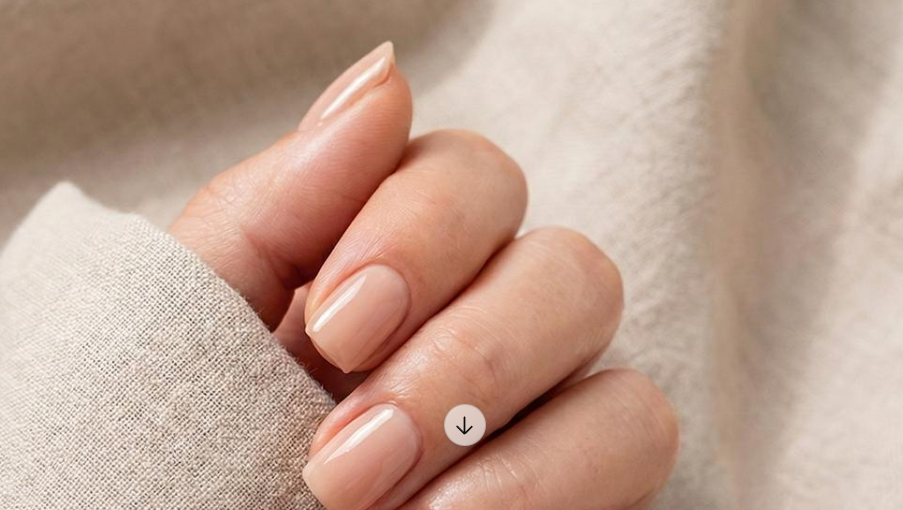
Do you dream of having strong, healthy and beautiful nails without spending hours at a salon? The good news is that you can support healthier-looking nails with a simple nail care routine at home.
Your nails go through a lot every day. Frequent handwashing, household cleaning products, nail polish removers and rough filing can leave them feeling dry, weak or prone to breaking. The right nail care habits can help protect them and keep your hands looking neat and well-groomed.
In this beginner-friendly guide, you will learn how to take care of your nails at home, build a daily nail care routine, moisturize your cuticles, and avoid common mistakes that may damage your nails.
Whether you prefer natural nails or enjoy wearing nail polish, these practical nail care tips can help you make nail health part of your regular beauty and wellness routine.
Why Is Nail Care Important?
Nail care is about more than creating a beautiful manicure. Healthy nail habits help protect the nails and the surrounding skin from unnecessary damage.
Your fingernails are made primarily of a protein called keratin. Repeated exposure to water, harsh chemicals, picking at the cuticles and rough manicure techniques can contribute to nail damage.
A consistent nail care routine can help you:
- Keep your nails clean and neatly shaped.
- Reduce avoidable splitting, peeling and breakage.
- Maintain moisturized nails and cuticles.
- Protect the skin around your nails.
- Enjoy a polished, well-groomed appearance.
Remember that nail appearance can also be affected by nutrition, medical conditions and other factors. Good grooming supports nail health, but it cannot resolve every underlying nail problem.
10 Simple Nail Care Tips for Strong, Healthy Nails
1. Keep Your Nails Clean and Dry
Clean nails are an essential part of good nail hygiene. Wash your hands regularly with mild soap and water, and gently clean underneath your nails without digging into the skin.
After washing, dry your hands and the areas around your nails thoroughly. Prolonged moisture can contribute to weak, splitting nails and may encourage certain infections.
Tip: Use a soft nail brush gently when needed instead of scraping underneath your nails with sharp objects.
2. Trim and File Your Nails Gently
Regular trimming helps keep nails neat and reduces the chance of snagging or accidental breakage.
Use clean nail clippers or manicure scissors. Trim your fingernails relatively straight across, then gently round the corners with a nail file.
File in a controlled, gentle motion rather than aggressively sawing back and forth. Avoid filing too deeply into the sides of your nails.
Tip: Choose a comfortable nail length that suits your everyday activities and makes your nails easier to maintain.
3. Moisturize Your Nails and Cuticles Daily
Moisturizing is one of the simplest steps in a nail care routine. Your nails and the surrounding skin can become dry, especially after frequent handwashing or exposure to cleaning products.
Apply hand cream after washing your hands. Massage a small amount around your nails and cuticles as well.
You can also use a cuticle oil or a simple moisturizer to help condition the skin around your nails.
Tip: Keep hand cream near your sink or bedside table so that moisturizing becomes an easy daily habit.
4. Protect Your Nails From Harsh Chemicals
Household cleaning products and other chemicals can irritate the surrounding skin and contribute to nail damage.
Wear suitable protective gloves when washing dishes, cleaning the bathroom or handling cleaning products. Follow the product’s safety instructions and wash your hands afterward.
If you use nail polish remover frequently, consider reducing how often you use it and avoid unnecessarily harsh nail treatments.
Tip: Never mix household cleaning chemicals. Follow their labels and use them only as directed.
5. Avoid Biting Your Nails and Picking Your Cuticles
Nail biting and cuticle picking can injure the nail and surrounding skin. Small breaks in the skin may also allow germs to enter.
Instead of biting or picking, keep your nails comfortably trimmed and moisturize dry cuticles. If you have a hangnail, carefully clip the loose piece of skin with clean nail scissors rather than pulling it off.
Avoid cutting or aggressively removing your cuticles. The cuticle helps protect the area where the nail grows.
Tip: If nail biting is a persistent habit, try identifying the situations that trigger it and keeping your hands occupied with another activity.
6. Eat a Balanced Diet for Nail Health
Your nails need adequate nutrition to grow normally. A balanced diet that includes protein, fruits, vegetables, whole grains and a variety of other nutrient-rich foods supports general health, including nail health.
Useful dietary sources include:
- Protein: Eggs, beans, lentils, dairy products, fish and tofu.
- Iron: Lentils, beans, leafy greens, meat and iron-fortified foods.
- Zinc: Beans, nuts, seeds, dairy products and seafood.
- B vitamins: Whole grains, eggs, legumes and other varied foods.
Nail problems can sometimes be associated with nutritional deficiencies, but brittle nails do not automatically mean that you need a supplement.
Tip: Avoid starting high-dose supplements just to improve your nails. Speak with a healthcare professional if you suspect a deficiency or are considering supplementation.
7. Be Gentle With Nail Polish and Manicures
Nail polish can be part of a fun beauty routine, but rough removal and repeated intensive treatments can damage the nail plate.
Avoid peeling off polish or gel manicures. Do not scrape away layers of your natural nail, and give your nails a break from treatments if they become damaged or irritated.
If you visit a salon, choose a clean establishment that properly disinfects or sterilizes its tools. Avoid having your cuticles aggressively removed.
Tip: If your nails are already peeling or sore, pause cosmetic treatments and allow the damaged portion to grow out.
8. Avoid Using Your Nails as Tools
Your nails are not designed for opening cans, scraping labels, removing stubborn lids or prying objects apart.
Using them as tools can cause chips, cracks, splitting or lifting from the nail bed.
Instead, use the appropriate household tool and avoid putting unnecessary pressure on your fingertips.
Tip: Keep a small opener or other useful tool nearby rather than relying on your nails.
9. Build a Simple Daily Nail Care Routine
You do not need an elaborate collection of beauty products to maintain your nails. A few consistent habits can make nail care easier.
Morning:
- Check that your nails are clean and free of snags.
- Apply hand cream if your skin feels dry.
- Use protective gloves when a task requires them.
During the day:
- Dry your hands thoroughly after washing.
- Reapply moisturizer when needed.
- Avoid biting, picking or using your nails as tools.
Before bed:
- Apply hand cream and gently massage it around your nails.
- Use cuticle oil if you enjoy using it.
- Check for rough edges and file gently when necessary.
Tip: Keep the routine simple enough that you can follow it consistently.
10. Pay Attention to Changes in Your Nails
Healthy-looking nails are generally smooth and consistent in appearance, although some harmless variations can occur.
Pay attention to changes such as persistent discoloration, unusual thickening, nail separation, swelling, pain or bleeding around the nails.
If you notice a persistent or unexplained change, consult a dermatologist or another qualified healthcare professional. Nail changes can sometimes be associated with infection, injury or an underlying health condition.
Tip: Do not try to diagnose a nail problem from appearance alone, especially if it is painful or getting worse.
A Simple At-Home Nail Care Routine
Here is an easy weekly schedule to help you stay consistent.
| Day | Nail care activity |
|---|---|
| Monday | Clean, inspect and moisturize your nails. |
| Tuesday | Apply hand cream and cuticle moisturizer. |
| Wednesday | Check for snags and gently file rough edges. |
| Thursday | Protect your hands during cleaning and washing dishes. |
| Friday | Give your nails a gentle tidy-up if needed. |
| Saturday | Enjoy a simple manicure without aggressive cuticle removal. |
| Sunday | Review your routine and moisturize your hands and nails. |
You do not need to follow a strict schedule. Trim and file your nails when necessary, and adjust your routine to suit your lifestyle.
Common Nail Care Mistakes to Avoid
Even a well-intentioned manicure can sometimes cause unnecessary damage. Avoid these common mistakes:
- Cutting your cuticles: The cuticle provides a protective barrier, so avoid cutting or aggressively removing it.
- Peeling off nail polish: Pulling polish or gel from the nail can remove layers of the natural nail.
- Over-filing: Excessive filing can thin and weaken the nail plate.
- Ignoring persistent nail changes: Pain, swelling, separation or unusual discoloration deserve attention.
- Using nails as tools: This can cause cracks, chips and other injuries.
- Taking supplements without a reason: Supplements are not a guaranteed solution for brittle nails and may not be appropriate for everyone.
A gentle approach is often easier to maintain than a complicated routine filled with intensive treatments.
Frequently Asked Questions About Nail Care
How can I make my nails stronger naturally?
Start with gentle nail grooming, daily moisturizing, protection from harsh chemicals and a balanced diet. Avoid biting your nails, peeling off polish and excessive filing. If your nails remain brittle, a healthcare professional can help identify possible causes.
How often should I trim my fingernails?
Trim your fingernails whenever they become too long, develop snags or interfere with your daily activities. There is no single schedule that works for everyone. Use clean clippers and file the edges gently.
Does applying oil help nails?
Cuticle oil can help condition the skin around your nails and improve the feel of dry cuticles. It is a useful moisturizing step, but it is not a guaranteed treatment for weak nails or a proven way to make them grow faster.
Should I cut my cuticles?
It is generally best to avoid cutting or aggressively removing your cuticles. They help protect the nail area from germs. Keep them moisturized and avoid picking at them.
How can I stop my nails from breaking?
Keep your nails at a manageable length, file gently, moisturize regularly and wear gloves when handling cleaning products or doing prolonged wet work. Avoid using your nails as tools and take breaks from damaging cosmetic treatments.
Can nail care make nails grow faster?
There is no reliably proven home remedy that makes nails grow dramatically faster. Gentle care and good nutrition can help support normal nail health and reduce breakage, allowing nails to maintain more length as they grow.
When should I see a dermatologist about my nails?
Seek professional advice for persistent or unexplained nail discoloration, thickening, separation, pain, swelling, bleeding or other concerning changes. Prompt evaluation is particularly important if you have a nail injury or signs of infection.
Final Thoughts
Beautiful nails begin with healthy habits, not necessarily expensive salon treatments. A simple nail care routine at home can help you keep your nails clean, moisturized, neatly shaped and protected from avoidable damage.
Start with the basics: trim and file gently, moisturize your hands and cuticles, protect your nails from harsh chemicals, eat a balanced diet and avoid biting or picking.
Consistency matters more than complexity. Choose a few habits that fit your lifestyle and make them part of your everyday self-care routine.
Healthy nails, happy hands, and a little daily care can go a long way.