
If you constantly fight tiny dark spots on your nose, squeezing them only to watch them return a few days later, you are likely using the wrong treatment method.
Over-squeezing, aggressive physical scrubs, and pore strips can rupture delicate capillaries, stretch pore walls, and cause long-term skin damage. To clear clogged nose pores safely and permanently keep them refined, you must work with your skin’s natural oil production using lipophilic (oil-dissolving) ingredients.
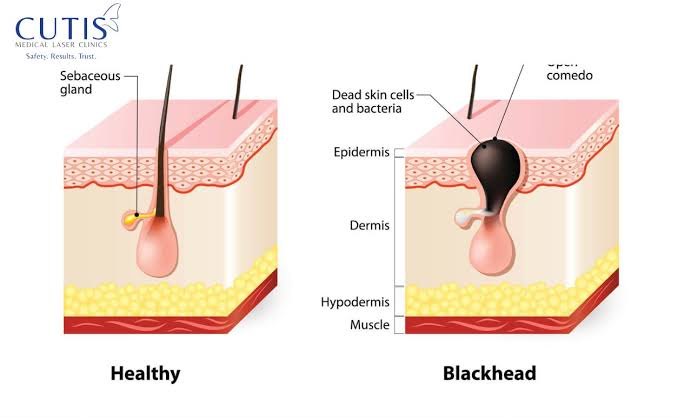
Blackheads vs. Sebaceous Filaments: Know What You’re Treating
Before starting any treatment, identify what is actually clogging your nose pores. Treating sebaceous filaments like blackheads is the #1 reason people struggle to get results.
| Feature | Blackheads (Open Comedones) | Sebaceous Filaments |
| Appearance | Dark black or dark brown plug with a raised texture. | Light grey, tan, or yellowish tiny pinpoint dots flush with the skin. |
| Cause | Trapped dead skin and oxidized sebum completely blocking the pore opening. | Natural lining of hair follicles that channels sebum to the skin’s surface. |
| Texture | Feels slightly bumpy under your finger. | Smooth to the touch. |
| Permanence | Can be extracted and cleared long-term. | Permanent natural structures; they will always naturally refill within 24–72 hours. |
Why Pore Strips Do More Harm Than Good
While nose pore strips offer quick satisfaction, dermatologists strongly advise against them:
- Surface-Level Removal Only: They rip off the top of the plug while leaving the underlying oil buildup inside the follicle intact.
- Capillaries & Skin Barrier Damage: The adhesive tears away healthy epidermal cells and can burst small blood vessels (telangiectasias) around the sides of the nose.
- Enlarged Pores: Repeated physical pulling stretches out pore openings over time, making them collect debris more easily.
The 3-Step Safe Pore De-Clogging Routine
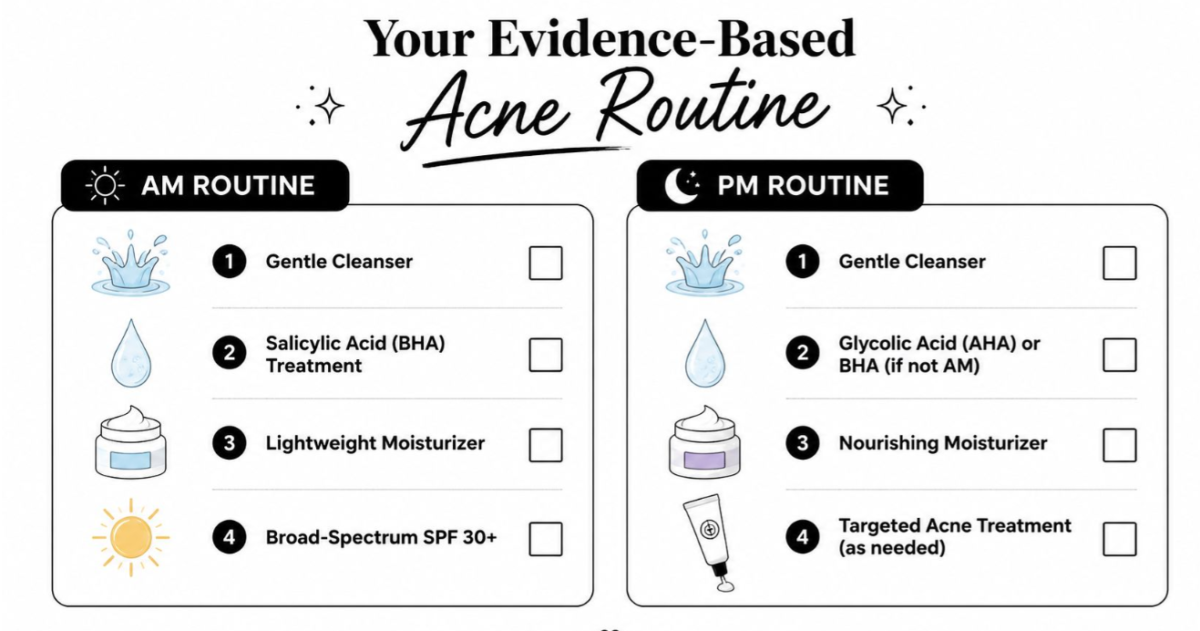
To clear deep-seated oil without damaging your skin tissue, follow this chemical-based extraction routine 2 to 3 times a week.
1.Step 1: The 10-Minute Oil Cleansing Massage:Use an emulsifying oil cleanser; do not use raw kitchen oils like coconut oil.
Apply 2 pumps of an oil-based cleanser or cleansing balm to dry skin. Gently massage the sides and bridge of your nose in small circular motions for 3 to 5 minutes.
Why it works: Like dissolves like. The oil base dissolves hardened sebum plugs without friction. Emulsify with warm water and rinse thoroughly.
2.Step 2: Apply a 2% Salicylic Acid (BHA) Treatment:Allow it to absorb for 10-15 minutes before applying other products.
After patting your skin dry, apply a liquid 2% Salicylic Acid (BHA) leave-on treatment to your nose area using a cotton pad or your fingers.
Why it works: Salicylic acid is oil-soluble, meaning it penetrates deep into the pore lining to dissolve dead skin cells and break down keratinized oil plugs from within.
3.Step 3: Clay Mask Spot Treatment:Do not let the clay dry to the point of cracking and flaking.
Apply a thin layer of a Kaolin or Bentonite clay mask directly over your nose area while the skin is still prepped from the BHA treatment. Leave it on for 8 to 10 minutes until it is damp-dry, then rinse with lukewarm water.
Why it works: Clay acts like a magnet, absorbing the loosened sebum and surface impurities brought up by the BHA.
4.Step 4: Seal with a Lightweight Gel Moisturizer:Never skip moisturizer after deep cleansing.
Finish by applying an oil-free, non-comedogenic gel moisturizer containing Niacinamide (2–5%).
Why it works: Niacinamide helps regulate sebum production, prevents future oil oxidization, and visibly tightens the look of pore openings.
Long-Term Prevention Strategy
Clearing clogged pores is a continuous maintenance process. Incorporate these habits into your weekly regimen to prevent oil plugs from hardening again:
- Incorporate Retinoids at Night: Using an over-the-counter retinoid (like Adapalene/Differin) or retinol 2–3 nights a week increases cellular turnover inside the pore, preventing dead skin cells from clumping together with oil.
- Double Cleanse Every Night: If you wear sunscreen or makeup, always use an oil cleanser followed by a water-based cleanser to prevent buildup at night.
- Avoid Comedogenic Ingredients: Check your moisturizers and sunscreens for heavy waxes or oils like isopropyl myristate, cocoa butter, and coconut oil around the T-zone.
Frequently Asked Questions
How long does it take to see clear nose pores?
When using the 3-step BHA and oil cleansing method consistently, you will see a noticeable reduction in dark pore spots within 1 to 2 weeks.
Can you shrink pore size permanently?
Pore size is largely determined by genetics and age. However, you can make pores look significantly smaller by keeping them clear of oxidized oil, which stretches pore walls open.
Is it safe to use a manual blackhead extractor tool?
Only if the plug is already loosened. Never force or press metal extractor loops hard against the skin, as this causes tissue bruising, scarring, and broken capillaries.