How to Treat Hormonal Acne Naturally: Routine, Diet & Actives
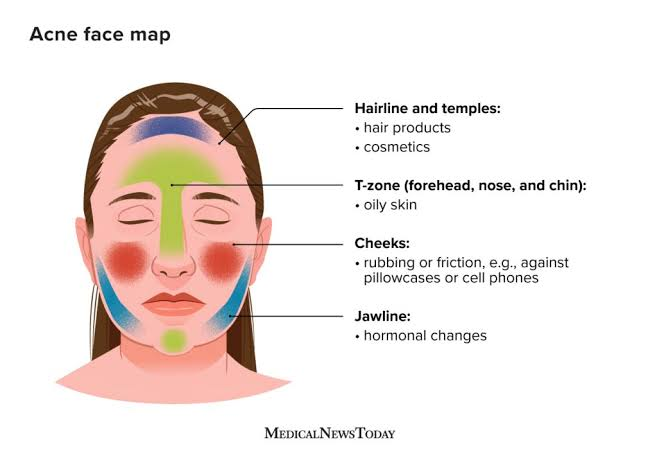
Few skincare issues are as frustrating as hormonal acne. Unlike surface whiteheads or temporary blackheads, hormonal breakouts typically manifest as deep, tender, cystic bumps along the jawline, chin, and lower cheeks. They often flare up like clockwork at specific points in your monthly cycle or during periods of elevated stress.
Because hormonal acne stems from internal systemic shifts—specifically fluctuations in androgens (like testosterone) that trigger overactive sebum production—topical cleansers alone rarely solve the problem.
To clear hormonal breakouts safely and naturally, you need a two-pronged strategy: targeted, anti-inflammatory topical actives paired with internal dietary and lifestyle adjustments.
How to Identify Hormonal Acne
Before altering your routine, confirm whether your breakouts fit the hormonal pattern:
- Location: Concentrated on the lower third of the face (jawline, chin, neck, and lower cheeks).
- Type: Deep, painful, under-the-skin cysts or nodules that rarely come to a head.
- Timing: Recurrent flare-ups occurring right before or during your menstrual cycle, or during high-stress periods.
- Resistance: Traditional spot treatments (like high-strength benzoyl peroxide) tend to dry out the surface skin without shrinking the deep bump underneath.
Gentle Skincare Routine for Hormonal Acne
When dealing with deep inflammation, aggressive scrubbing only worsens skin barrier disruption and delays healing. Stick to a soothing, non-comedogenic routine designed to calm redness and control surface bacterial spread.
Morning Routine (AM):
- Gentle Hydrating Cleanser: Use a low-pH, sulfate-free cleanser to clean skin without stripping its protective acid mantle.
- Soothing Active Serum: Apply an Azelaic Acid (10%) or Niacinamide (2–5%) serum to suppress inflammation and fade dark post-acne marks (post-inflammatory hyperpigmentation).
- Oil-Free Hydrator: Lock in moisture with a gel-based moisturizer containing ceramides or squalane.
- Mineral Sunscreen (SPF 30+): Use a non-nano Zinc Oxide mineral sunscreen. Zinc acts as a natural anti-inflammatory agent while shielding healing blemishes from UV-induced darkening.
Evening Routine (PM):
- Double Cleanse: Start with an emulsifying oil cleanser to dissolve SPF and makeup, followed by a gentle water-based cleanser.
- Targeted Exfoliant / Treatment: Apply Salicylic Acid (BHA) 2–3 nights a week to keep follicle linings free of trapped oil. On alternate nights, use a plant-based retinol alternative like Bakuchiol to promote skin cell turnover.
- Barrier Repair Night Cream: Seal your skin with a soothing moisturizer enriched with Centella Asiatica (Cica), Panthenol (B5), or Green Tea extract.
The Best Natural Actives for Hormonal Breakouts
| Ingredient | Primary Function | Ideal Application |
| Azelaic Acid | Kills acne bacteria (C. acnes), reduces redness, and inhibits melanin transfer to fade dark spots. | Leave-on serum or cream (10% over-the-counter or 15% prescription). |
| Tea Tree Oil | Acts as a natural antimicrobial and anti-inflammatory agent. | Diluted spot treatment (max 5% concentration in a carrier oil) or serum. |
| Zinc PCA | Regulates sebum production and reduces localized tissue swelling. | Daily hydrating serum or lightweight moisturizer. |
| Green Tea Extract (EGCG) | High in antioxidants; topically inhibits androgen receptors in the sebaceous glands to lower oil production. | Toner, serum, or lightweight fluid. |
Dietary & Lifestyle Adjustments for Hormonal Balance
Internal changes directly influence sebum composition and systemic inflammatory markers.
1. Reduce High-Glycemic Foods
Refined carbohydrates, white sugar, and sugary beverages cause rapid spikes in blood glucose. This prompts your pancreas to release insulin, which elevates Insulin-Like Growth Factor 1 (IGF-1)—a hormone that directly stimulates sebum production and enlarges pore size.
2. Limit Dairy (Specifically Skim Milk)
Dairy products contain whey proteins and hormones from cows that can trigger IGF-1 pathways in sensitive individuals. Try replacing dairy with unsweetened almond, oat, or coconut milk for 3 to 4 weeks to observe if breakout severity drops.
3. Incorporate Hormone-Supporting Foods & Supplements
- Spearmint Tea: Drinking 1–2 cups of organic spearmint tea daily has mild anti-androgenic effects, helping reduce circulating free testosterone levels naturally.
- Omega-3 Fatty Acids: Found in wild salmon, walnuts, chia seeds, or high-quality algae/fish oil supplements. Omega-3s inhibit pro-inflammatory leukotriene B4, reducing cystic swelling.
- Zinc Supplements: Zinc picolinate or gluconate (15–30 mg/day) supports immune function and controls inflammatory pathways associated with acne.
When to Seek Professional Support
While natural routines and dietary changes significantly improve mild-to-moderate hormonal breakouts, severe cystic acne can cause permanent scarring. If your breakouts remain painful, persistent, or unmanageable after 6 to 8 weeks of consistent care, consult a board-certified dermatologist or endocrinologist to discuss targeted options such as prescription topical retinoids, spironolactone, or hormonal evaluation.