
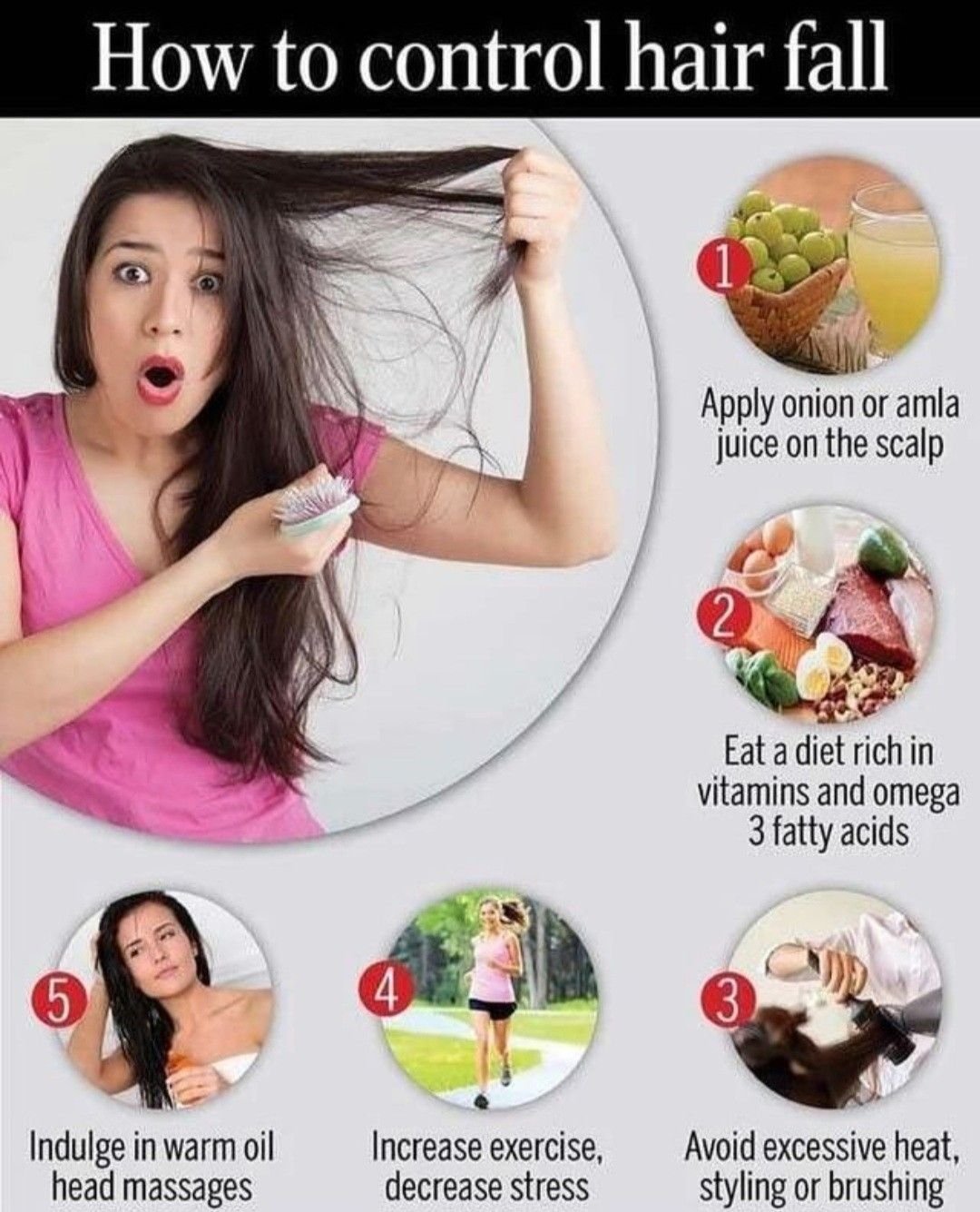

Seeing clumps of hair in the shower or on your brush is stressful. The good news is that most everyday hair fall is linked to habits, diet, and stress, and those can be improved.
This guide covers why hair fall happens and 10 tips to reduce it.
Is Losing Hair Normal?
Yes, to a point. Most people shed roughly 50 to 100 hairs a day as part of the natural growth cycle. It’s a concern when you notice much more shedding than usual, visible thinning, or a widening part that lasts for weeks.
Common Causes of Hair Fall
- Stress: Physical or emotional stress can push more hairs into the shedding phase.
- Poor nutrition: Low protein, iron, zinc, or vitamin D intake affects hair health.
- Harsh hair habits: Tight hairstyles, heavy heat styling, and rough brushing cause breakage.
- Hard water and pollution: Buildup can leave the scalp irritated and hair brittle.
- Hormonal changes: Pregnancy, postpartum, and thyroid issues can trigger shedding.
- Dandruff and scalp problems: An unhealthy scalp weakens hair at the root.
- Lack of sleep: Poor rest affects recovery and overall health.
10 Ways to Reduce Hair Fall
1. Eat for your hair
Include protein (eggs, dal, paneer, chicken, sprouts), iron-rich foods (spinach, lentils, dates), and healthy fats (nuts, seeds). Hair is mostly protein, so a low-protein diet often shows up in your hair first.
2. Oil your scalp gently, once or twice a week
Warm coconut, castor, or almond oil massaged for 5 to 10 minutes improves circulation and reduces friction. Oil 1 to 2 hours before washing rather than overnight if your scalp is oily or prone to dandruff.
3. Wash with a mild shampoo
Choose a gentle shampoo suited to your scalp type and wash 2 to 3 times a week. Very frequent washing with harsh products can dry out hair, while rarely washing can clog follicles.
4. Condition the lengths, not the scalp
Conditioner on the ends reduces breakage and tangling. Applying it heavily on the scalp can weigh hair down.
5. Never comb wet hair aggressively
Wet hair is fragile. Detangle from the ends upward with a wide-tooth comb.
6. Avoid tight hairstyles
Constant pulling from tight ponytails, braids, or buns can lead to traction-related hair loss. Change your hairstyle often and let hair down at home.
7. Reduce heat and chemical treatments
Limit straighteners, blow dryers, coloring, and bleaching. Try heatless styling instead. (See our guide to heatless curls.)
8. Manage stress
Regular exercise, walking, meditation, or breathing exercises help. Stress-related shedding often improves once stress does, though it may take a few months.
9. Sleep well and stay hydrated
Aim for 7 to 8 hours of sleep. A silk or satin pillowcase reduces friction overnight.
10. Treat dandruff and scalp issues early
A flaky, itchy scalp can worsen hair fall. Use an anti-dandruff shampoo as directed, and see a doctor if it doesn’t clear up.
Do Home Remedies Like Onion Juice or Fenugreek Work?
Popular remedies include onion juice, fenugreek (methi) paste, aloe vera, and hibiscus. They’re widely used and generally safe for most people, but scientific evidence is limited, so treat them as supportive care, not a guaranteed cure. Always do a patch test first to check for irritation.
When to See a Doctor
Consult a dermatologist or trichologist if you notice:
- Sudden or heavy hair loss
- Bald patches
- A receding hairline or widening part that keeps progressing
- Scalp pain, redness, or sores
- Hair loss along with fatigue, weight changes, or other symptoms
Blood tests can check for deficiencies or thyroid problems, and treatment works best when started early.
Quick Hair Fall Routine
| Habit | How often |
|---|---|
| Scalp massage with oil | 1 to 2 times a week |
| Shampoo | 2 to 3 times a week |
| Protein-rich meals | Daily |
| Trim | Every 8 to 12 weeks |
| Silk or satin pillowcase | Nightly |
Frequently Asked Questions
How many hairs is normal to lose in a day?
About 50 to 100 strands is generally considered normal.
Can hair fall be stopped completely?
Not entirely, since shedding is natural, but abnormal hair fall can often be reduced by addressing the cause.
How long does it take to see results?
Hair grows slowly, so expect around 2 to 3 months of consistent care before you notice a change.
Does oiling reduce hair fall?
Oiling can reduce breakage and improve scalp comfort, but it doesn’t treat underlying causes like deficiencies or hormonal issues.
Does frequent shampooing cause hair fall?
No. Washing removes hairs that have already shed. Harsh products and rough handling are the bigger issue.
Final Thoughts
Reducing hair fall comes down to better nutrition, gentle handling, scalp care, and lower stress. Start with 2 or 3 changes, stay consistent for a few months, and see a specialist if the problem continues.
This article is for general information and isn’t medical advice.